


Coffee culture, history & espresso enjoyment
Coffee in Italy

When you think of coffee, you inevitably think of Italy. No other country is so deeply rooted in the history, taste and ritual of daily caffè enjoyment. Whether espresso, cappuccino or caffè latte: coffee in Italy is much more than just a drink. It is a social ritual, a cultural symbol and a piece of identity.
Italian coffee culture looks back on an impressive history: from the first coffee house in Venice to the invention of the espresso machine and the variety of regional styles between northern and southern Italy. Its coffee is as diverse as the country itself - sometimes mild and elegant, sometimes dark and strong. As different as the flavors are - in the end, only one thing counts for everyone: the perfect coffee.
In this article, we travel together through the world of Italian coffee - from the history of coffee to modern bar culture, from Venice to Naples, from the bean to the barista.
From the port to the world - the beginnings of Italian coffee history
It was love at first sight between the Italians and their coffee. As early as the 17th century, merchant ships brought coffee beans from the Orient, Africa and Brazil to the port of Venice. Here, the hot drink was initially reserved for the nobility and aristocrats, but soon found its way into the cafés, kitchens and hearts of all social classes. From then on, coffee culture in Italy developed at the speed of light and became an integral part of everyday life. Numerous innovations in coffee production and manufacturing, such as the first coffee house or the first espresso machine, were developed in Italy and from there spread all over the world.
Venice - the home of coffee houses
Venice was not only the gateway for coffee beans to Italy, but is also home to Italy's first coffee house, the Caffè Florian.
It was opened in 1720 as the café "Alla Venezia Trionfante" and became a popular meeting place for artists and intellectuals.
Famous personalities such as Goethe, Giacomo Casanova and Victor Hugo were guests at Caffè Florian. The coffee culture from Italy developed rapidly.
In the 18th and 19th centuries, other coffee houses followed throughout Italy and Europe, which enjoyed similar popularity.
Here, the mind was sharpened by lively discussions and the body strengthened by a strong coffee.
Then as now, a nice chat over a cup of coffee and a pastry invites you to discuss God and the world - whether in the shadow of Venetian palaces or in a modern bar in Rome.
The birth of the espresso machine - Italian through and through
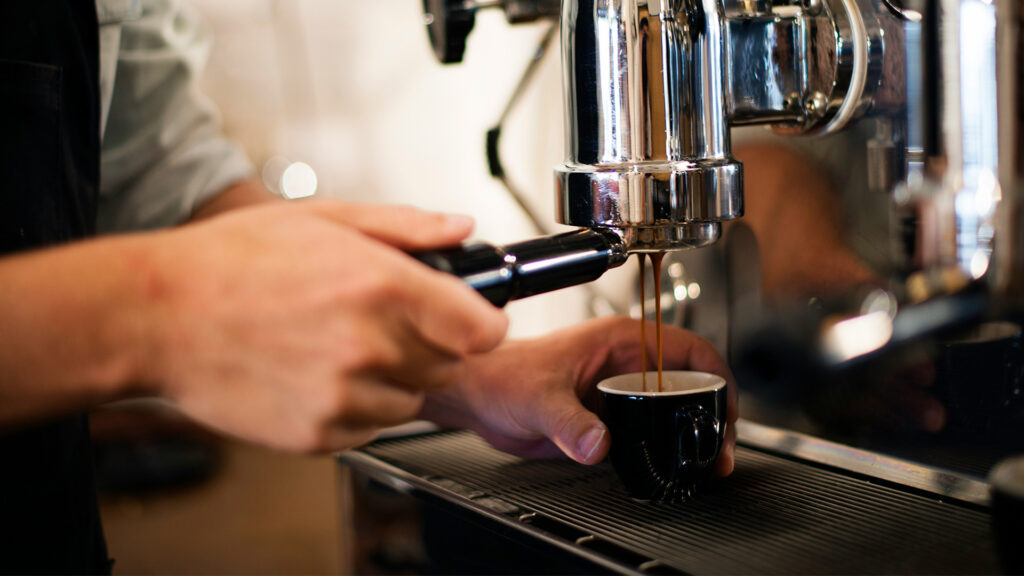
While the coffee house quickly established itself as a social hub in Italy, there was another significant development that would change coffee culture in Italy forever - the invention of espresso. Unlike the traditional ambience of the cafés, its origins were more pragmatic. After all, time was a scarce commodity in the busy coffee houses of the 19th century. The long wait for the filter coffee to brew, which dripped merrily away in the coffee houses at the time, became a problem for landlords and guests alike.
The solution came in 1884 with a patent from Angelo Moriondo from Turin. His steam-powered coffee machine was able to extract coffee much faster and created a completely new aroma. Although his model was not yet technically mature - too big, too expensive, too bulky - it was the first step on the way to espresso from Italy as we know it today.
The next step was taken by Luigi Bezzera, who refined Moriondo's technology at the beginning of the 20th century in order to be able to prepare his employees' coffee more quickly. This led to the first industrially produced espresso machines.
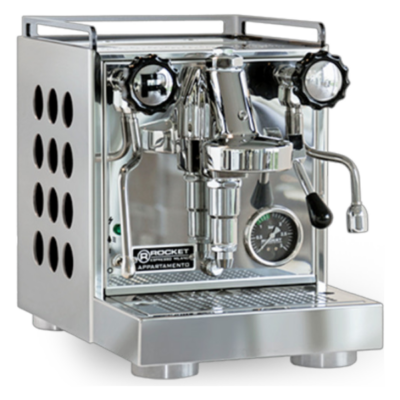
In 1905, Desiderio Pavoni bought Bezzera's patent, founded the company La Pavoni in Milan and began industrial production of espresso machines in 1905. This is how the espresso machine as we know it today was born in Italy.

Espresso around the clock: Italy's coffee culture in time with the day
In Italy, coffee is much more than just a drink - it is an integral part of the daily rhythm of life. The choice of specialty coffees from Italy is vast: from the short ristretto to the extended caffè lungo to the creamy latte macchiato. And yet one thing remains unchanged: The espresso is the undisputed centerpiece of Italian coffee culture.


Espresso: the classic for any time of day
Espresso is not only consumed frequently here, but almost as a ritual. Whether early in the morning, between two appointments or late in the evening - it can be enjoyed at any time of day, often several times a day and often even every hour. Espresso is usually drunk in a full café while standing directly at the bar, followed by a friendly "Grazie!" to the barista. Italians also like to order an espresso after dinner to round off the meal perfectly.
Milk foam with rules: Cappuccino & Co.
The situation is different with cappuccino: it is considered a pure breakfast drink and is traditionally not drunk after lunch. In Italy, specialty coffees with milk are considered to be filling drinks and should therefore never be drunk directly after a meal. In the morning, however, they are enjoyed with a sweet pastry, such as a croissant or cookies. In Italy, people like to take a little more time for this than for a casual espresso during the day. A compromise for those who don't want to completely do without milk in their coffee: A caffè macchiato, i.e. an espresso with a shot of milk, is also allowed throughout the day.

From the north to the South: Regional differences
Coffee in Italy is a national passion and an expression of regional identity. There are some disagreements between northern and southern Italy - and coffee is no exception. The way coffee is roasted, prepared and enjoyed differs significantly between north and south. While the north prefers finely balanced aromas and light roasts, the south focuses on depth, strength and sweetness.

The north - mild, elegant, traditional
The south - strong, sweet, with emphasis
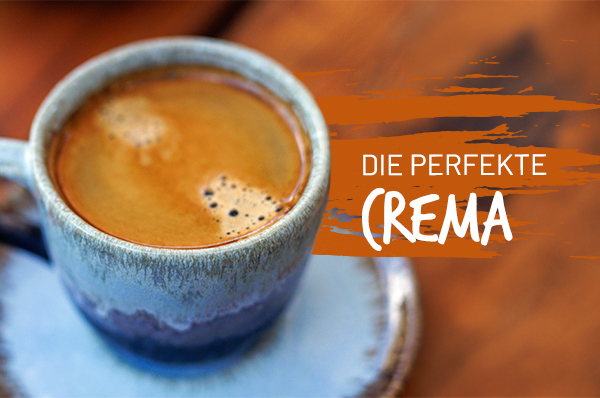
In northern Italy, a milder, finely nuanced cup is preferred, often based on Arabica blends with a lower Robusta content. The beans are roasted lighter "Milan-style", which gives the espresso a golden hue, a pleasant acidity and a particularly fine crema.
A slightly longer, lighter espresso that tastes less strong but has a clearer aroma is typical of the north. In cafés, it is often served with a glass of water to enhance the taste.
A particular point of reference for northern Italian coffee culture is Venice, the cradle of coffee. This is where coffee first arrived in Italy and where the classic tradition of light roasting was introduced, which continues today in many parts of northern Italy. The Venetians like their coffee not too strong and not too bitter, with a light crema and balanced taste.
However, the closer we get to the south, the more intense the coffee becomes. Roasting in southern Italy is significantly darker and the aromas are much stronger. The blends usually contain a higher proportion of Robusta beans, which not only gives the coffee more caffeine, but also more body and density.
The result is a more intense taste with notes of chocolate and dried fruit, which is often enjoyed hot and heavily sweetened. In Naples, sugar is a must in espresso and is often added to the cup before the coffee is brewed to perfect the full-bodied taste.
Despite all the differences, Italians agree: coffee is a must and coffee must be good. Only the way to the perfect cup varies from region to region.
Italian coffee culture at Espresso Perfetto
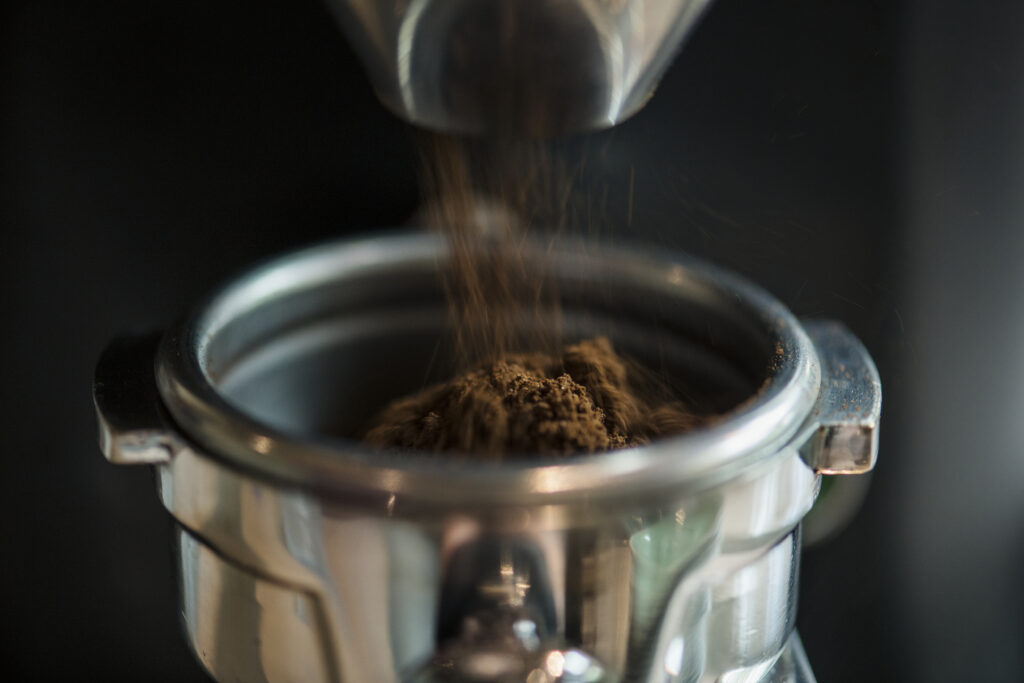
Italian coffee culture is diverse. From a quick espresso at the bar to a leisurely breakfast cappuccino and from the light roast in the north to the intense aroma in the south - there's something for every coffee fan. With Espresso Perfetto , you can easily bring the coffee culture of Italy into your home! In our online store, you'll find everything you need to set up your own personal coffee bar - from high-quality espresso machines and finely tuned grinders to carefully selected coffee beans. So you can bring a piece of Italian soul directly into your kitchen!
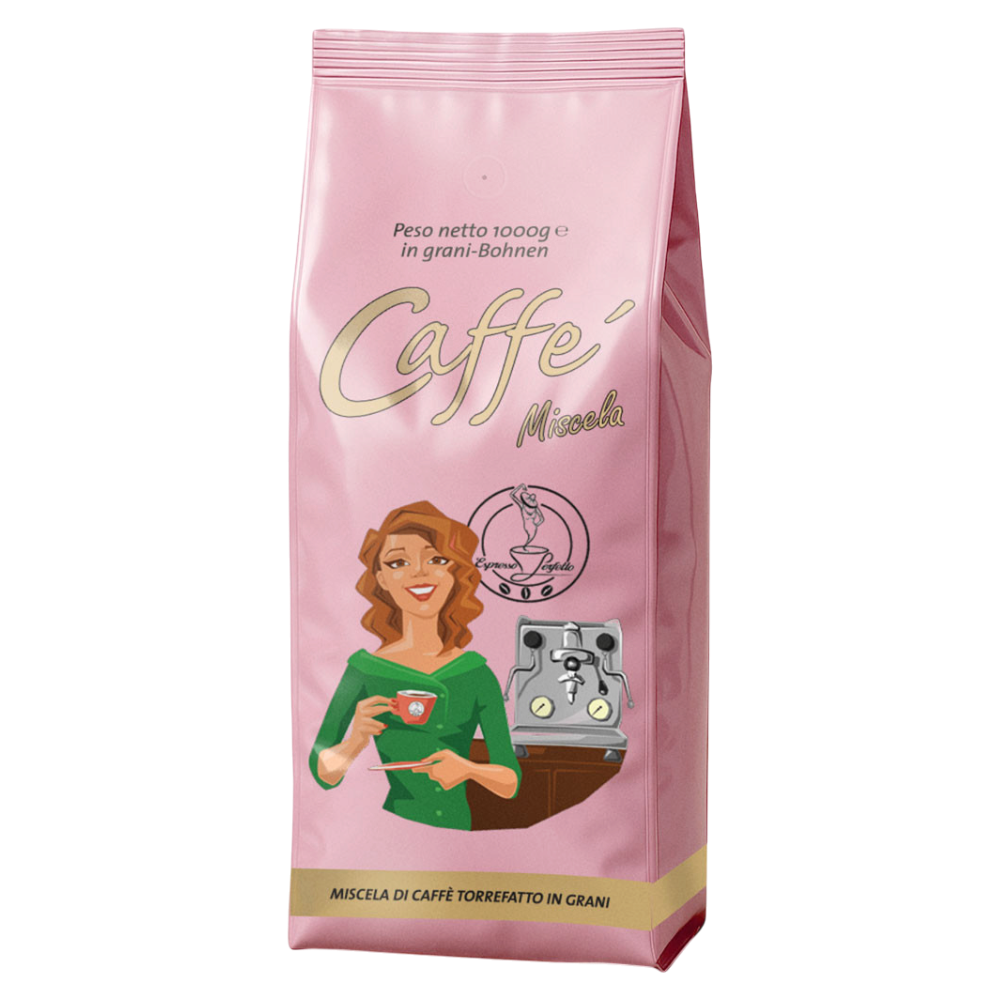
Espresso Perfetto Classico 1000g
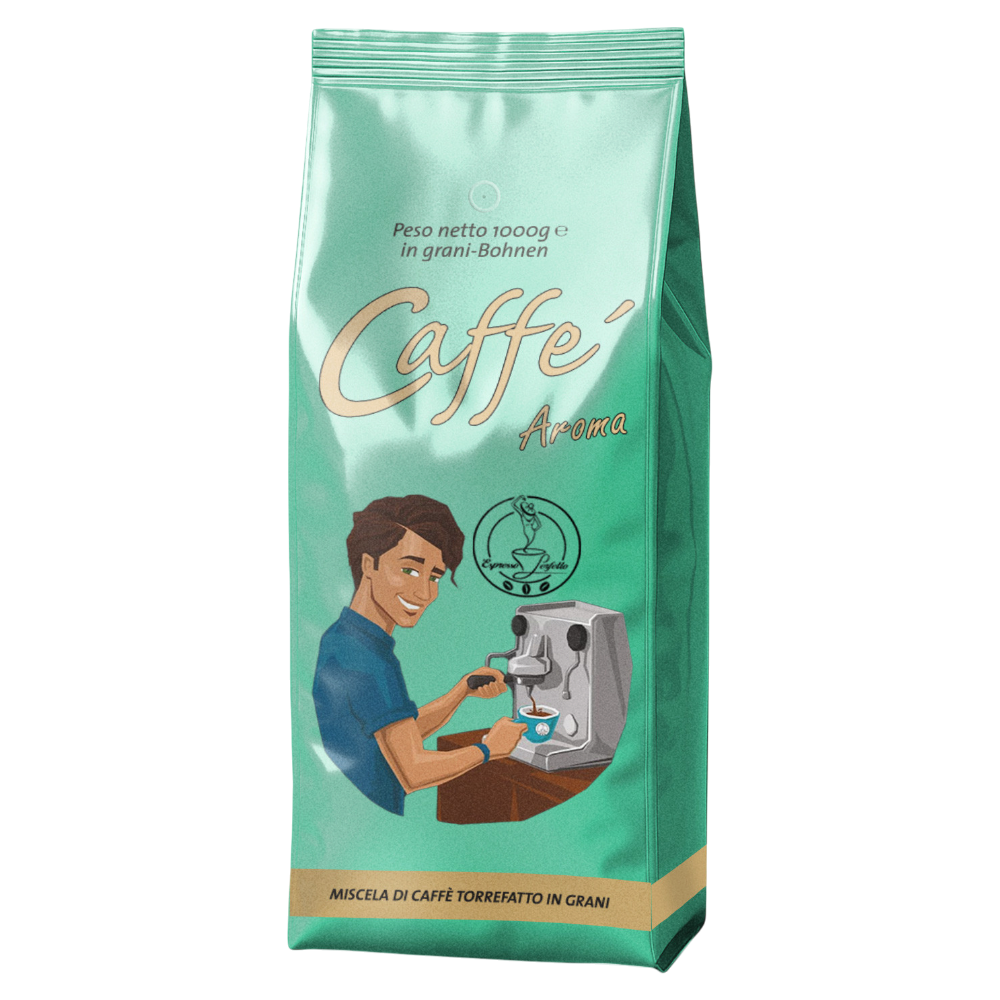
Espresso Perfetto Aroma 1000g
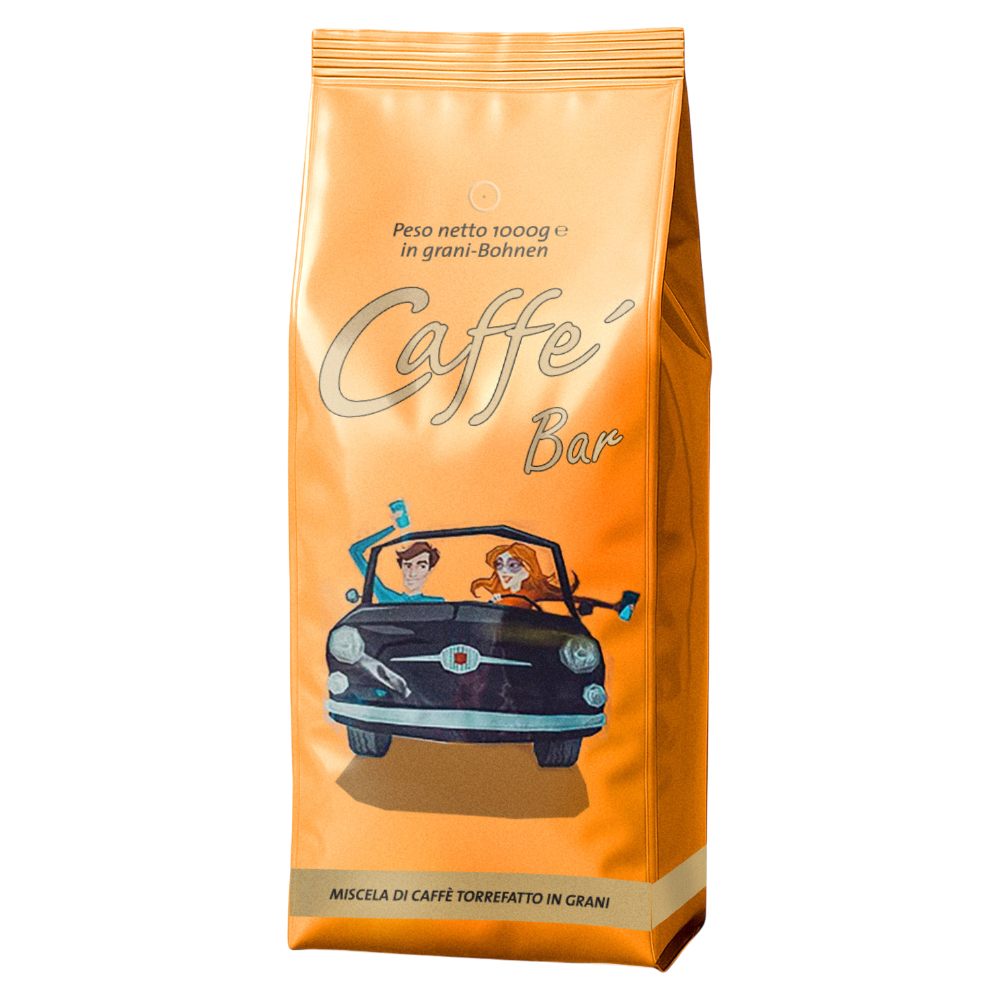
Espresso Perfetto Gusto 1000g

Espresso Perfetto Gusto Cioccolato 500g
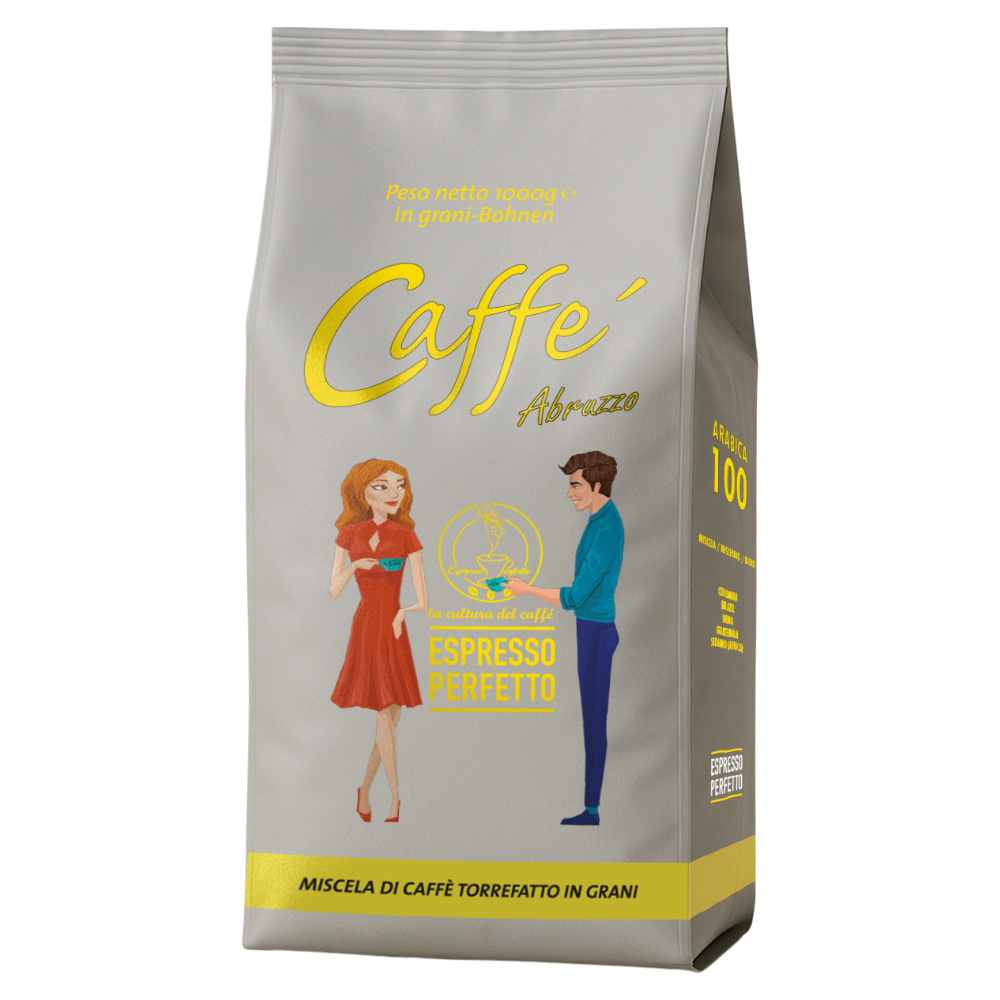
Espresso Perfetto 100% Arabica 1000g
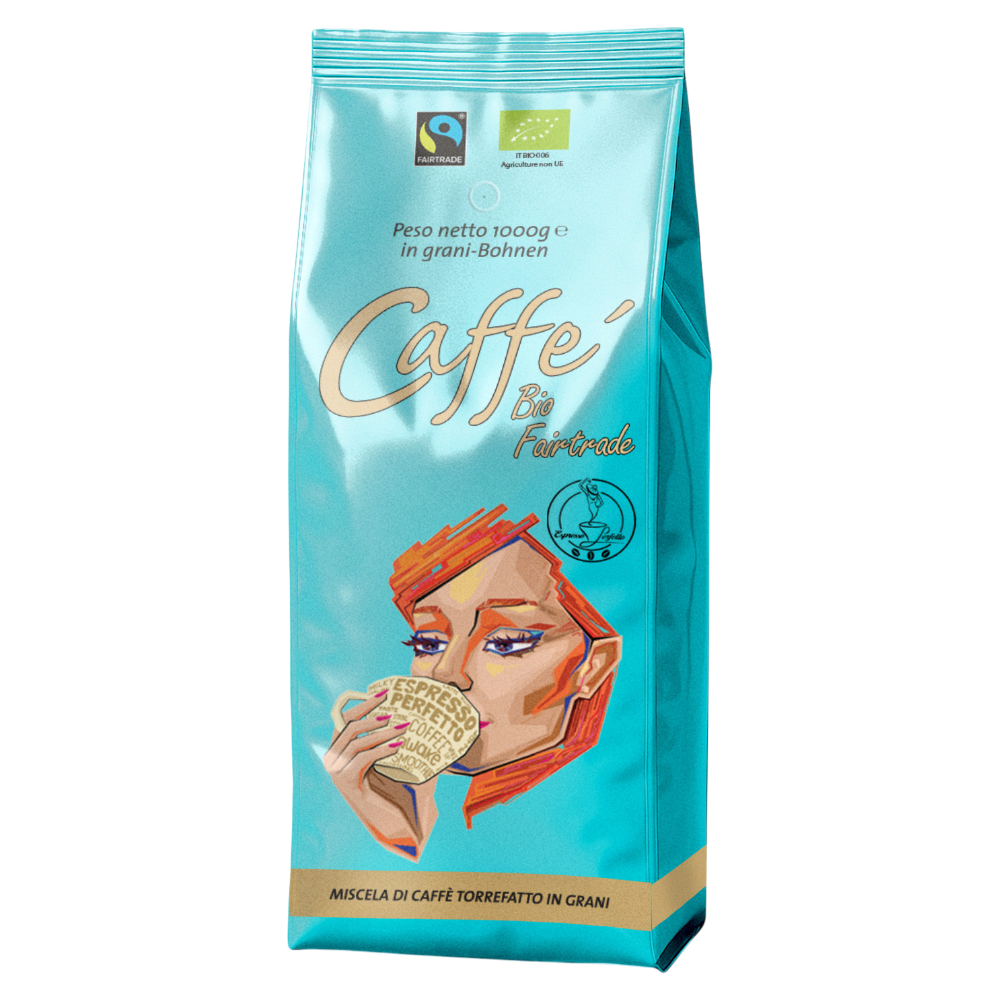
Espresso Perfetto Fair Trade 1000g
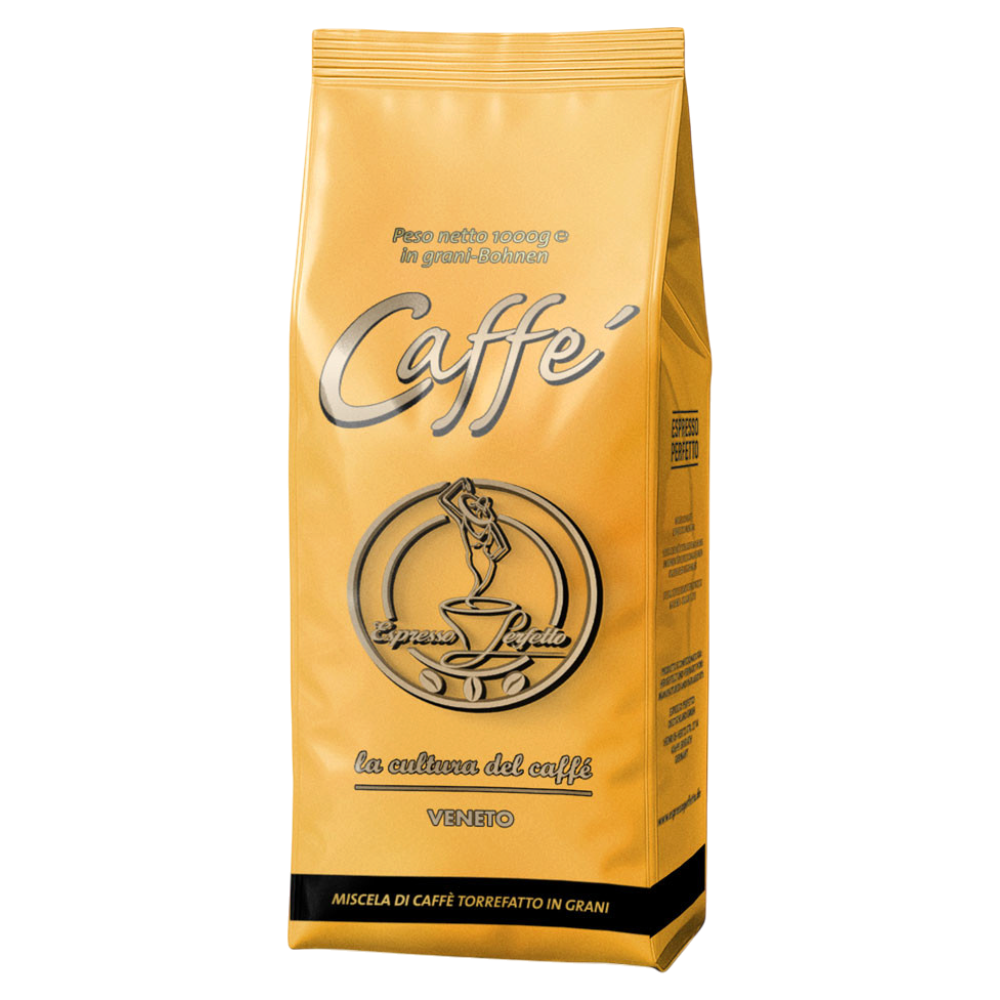
Espresso Perfetto Classico 1000g

Espresso Perfetto Decaffeinated 500g

Espresso Perfetto : 5 x 250 g of beans
The original price was: €62.0049,90€The current price is: €49.90.

Espresso Perfetto Classico 250g Beans