






But what’s actually behind that fine foam? And why does the surface of an espresso sometimes remain almost completely clear? Here, we’ll explain what’s important for the perfect crema, how it forms, and what it reveals about your espresso!
What exactly is crema?
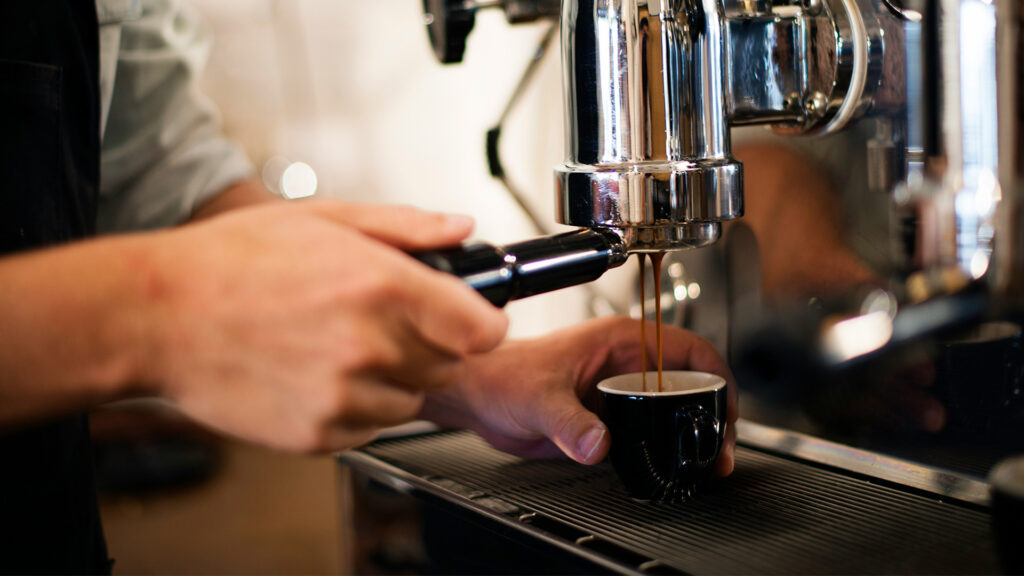
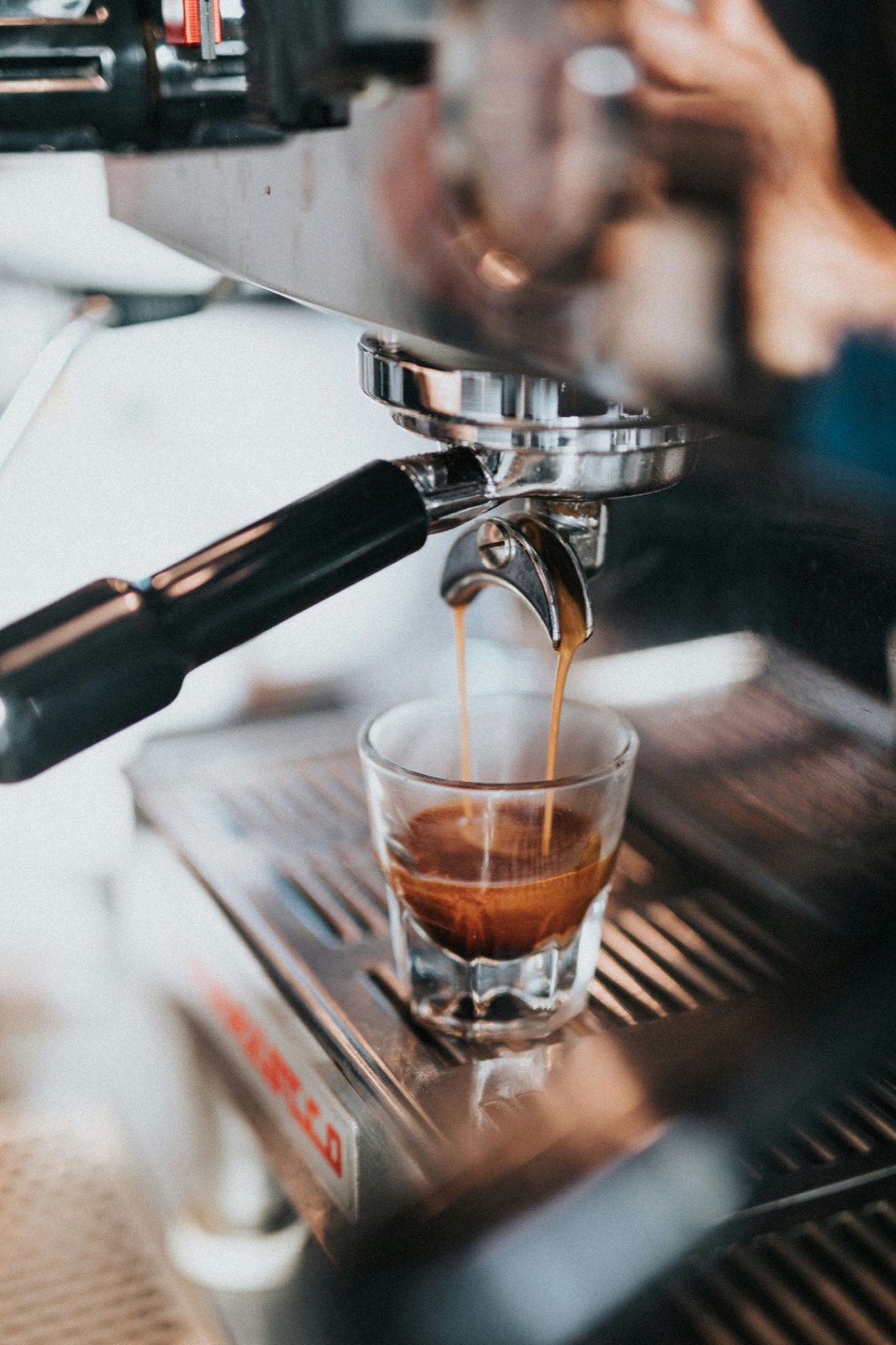
The infamous crema is a fine-pored foam that forms when hot water is forced through finely ground coffee under high pressure. During this process, oils, coffee melanoidins, proteins, and—most importantly—carbon dioxide—which was produced during roasting—are released from the bean. The gas forms countless tiny bubbles, which are enveloped by proteins and oils and settle on top of the espresso to form the characteristic layer of foam.
In addition to its visual appeal, the coffee crema also serves a very practical purpose. It lets you see at a glance how fresh the beans are and whether everything went right during preparation. If it’s missing or very thin, it’s worth taking a closer look.
How Is Crema Formed? Pressure, CO₂, and Fresh Beans
For a beautiful, thick crema to form on top of the espresso, several factors must come together.
About 9 bar
It all starts with the right pressure. A portafilter machine forces water through the finely ground coffee at a pressure of about 9 bar, releasing the CO₂ from the coffee grounds into the water. As soon as the espresso flows from the Portafilter into the cup, the pressure drops suddenly. The gas bubbles up, forming the small bubbles that make up the crema.
CO₂ in the Bean
How much gas is contained in the bean depends primarily on its freshness. After roasting, coffee gradually releases CO₂, which is why freshly roasted beans produce significantly more crema than those that have been sitting in an open container in the kitchen for weeks.
However, they shouldn't be fresh out of the roaster either. In the first few days, there's so much gas in the beans that the crema becomes bubbly and quickly collapses.
Fine enough
Then there's the grind size and temperature. If the coffee is ground too coarsely, the water flows through it too quickly and barely has time to extract the oils and gases.
90 to 95 °C
The brewing temperature completes the process. Only at a consistently high temperature of about 90 to 95 degrees do the flavor compounds and CO₂ release evenly from the ground coffee.
Understanding the Crema: Color, Thickness, and Consistency
Often, just a quick glance into the cup is enough to tell if your espresso turned out well. The most important clues are the color, thickness, and consistency of the crema.

The Color
The perfect crema is a thick, hazelnut- to golden-brown layer that remains stable for a long time. Another particularly distinctive feature is the fine, reddish-brown “tiger stripes” that form in the crema as the coffee passes through.
Too light, almost whitish
This usually indicates under-extraction, a brewing temperature that is too low, or old, coarsely ground beans.
Hazelnut brown to golden brown
Thick, long, and sturdy, with fine reddish-brown tiger stripes.
Too dark—more black than brown
This usually indicates that the grind is too fine, the pressure is too high, or the brewing time is too long.
The Consistency
test
The consistency also reveals a lot: A well-made crema is a few millimeters thick and dense enough to support a teaspoon of sugar for a few seconds before it slowly sinks through.
If, on the other hand, the crema collapses after just a few seconds or remains thin from the start, this is usually a sign that something is wrong with the beans, the grind, or the brewing process. Sometimes it comes down to small details—residues of dish soap in the cup or old coffee oils in the machine can also cause the crema to break down more quickly.
Why Is There No Crema? Common Causes
If the crema doesn't form, or if it turns out thinner, darker, or lighter than expected, it's often due to one of these mistakes:
Beans that are too old or have been stored improperly
Over time, the CO₂ escapes from the beans, leaving less gas for the crema. Therefore, it's best to use your beans within a few weeks of the roast date and store them in an airtight container in a cool, dark place.
Pre-ground coffee
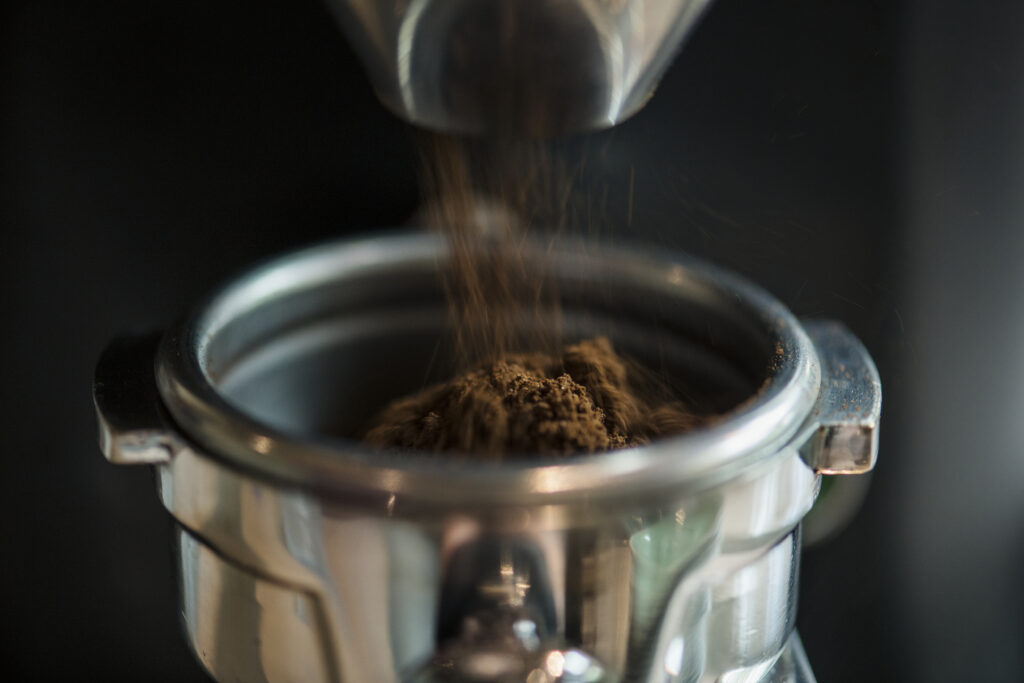
Ground coffee loses its carbonation much faster than whole beans. That's why it's best to grind your beans right before brewing.
Grain size too coarse
If the water flows through the coffee too quickly, there is hardly any time for the oils and gases to be adequately extracted. As a rule of thumb, the grind should be fine enough that the espresso flows through in about 25 to 30 seconds.
Uneven Tamping
If the ground coffee is packed too loosely or unevenly, the water will take the path of least resistance and simply flow right past it in some places. Applying even, straight pressure is more important than using a lot of force.
A dirty filter or Portafilter
Old coffee oil residue and buildup interfere with the flow of water and directly affect the extraction and crema. Regular cleaning is therefore an essential part of the basic maintenance of any portafilter machine.
Brewing temperature too low
If the water isn't hot enough, the oils and flavor compounds won't dissolve completely, and the crema will remain thin and unstable. So, after turning on your machine, give it enough time to heat up.
Not enough pressure
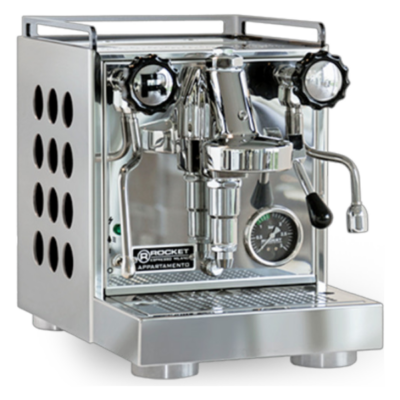
If the machine is no longer building up enough pressure—perhaps due to limescale buildup or a failing pump—the crema will suffer as well. A quick glance at the pressure gauge will tell you if the pressure is still right. Often, simply descaling the machine will do the trick; otherwise, you should have a repair shop take a look at it.
For tamping, cleaning, and descaling

ECM Pressure-Regulating ECM
ECM Pressure-regulating tamper. Tamper for tamping down ground coffee in the Portafilter. The diameter must match the filter used.

Puly Caff Brew Head Cleaner
Puly Caff Brew Head Cleaner. Cleaning solution for compatible coffee machine components. Use and dosage as specified by the manufacturer.

Espresso Perfetto , 1 Liter
Espresso Perfetto Descaler 1 liter. Descaling agent for suitable appliances. Use according to manufacturer's instructions.
* Savings compared to our previous price.
Is a lot of crema always a good sign?
A particularly thick crema may look great, but on its own it doesn't reveal much about the flavor.
Robusta beans, for example, produce significantly more crema on their own due to their high oil content than pure Arabica varieties, but they also have a stronger and more bitter flavor.
Technology can also help. Double-walled filters, such as those found in some entry-level machines, use a small valve to produce additional foam, regardless of how well the extraction went.
Therefore, the overall appearance—including color, consistency, and how long it lasts—is a more meaningful indicator of coffee quality than sheer quantity. A moderate but stable crema with fine streaks ultimately says more about the quality of the espresso than a particularly thick foam layer.

Here's how to make the perfect crema with Espresso Perfetto
So the crema is much more than just a pretty sight. In just a few seconds, it tells you whether the beans, grind size, and brewing method are a good match, and gives you an honest indication of how fresh and carefully your espresso was brewed. With a little practice, you’ll be able to tell at a glance whether the shot turned out well.
Freshly roasted beans and a well-calibrated machine are the best way to start making a beautiful crema. You can find both in our online store at Espresso Perfetto. At our stores, we’re also happy to help with any questions or issues you may have about espresso and how to make it. Stop by—we look forward to seeing you!
Everything You Need for the Perfect Crema
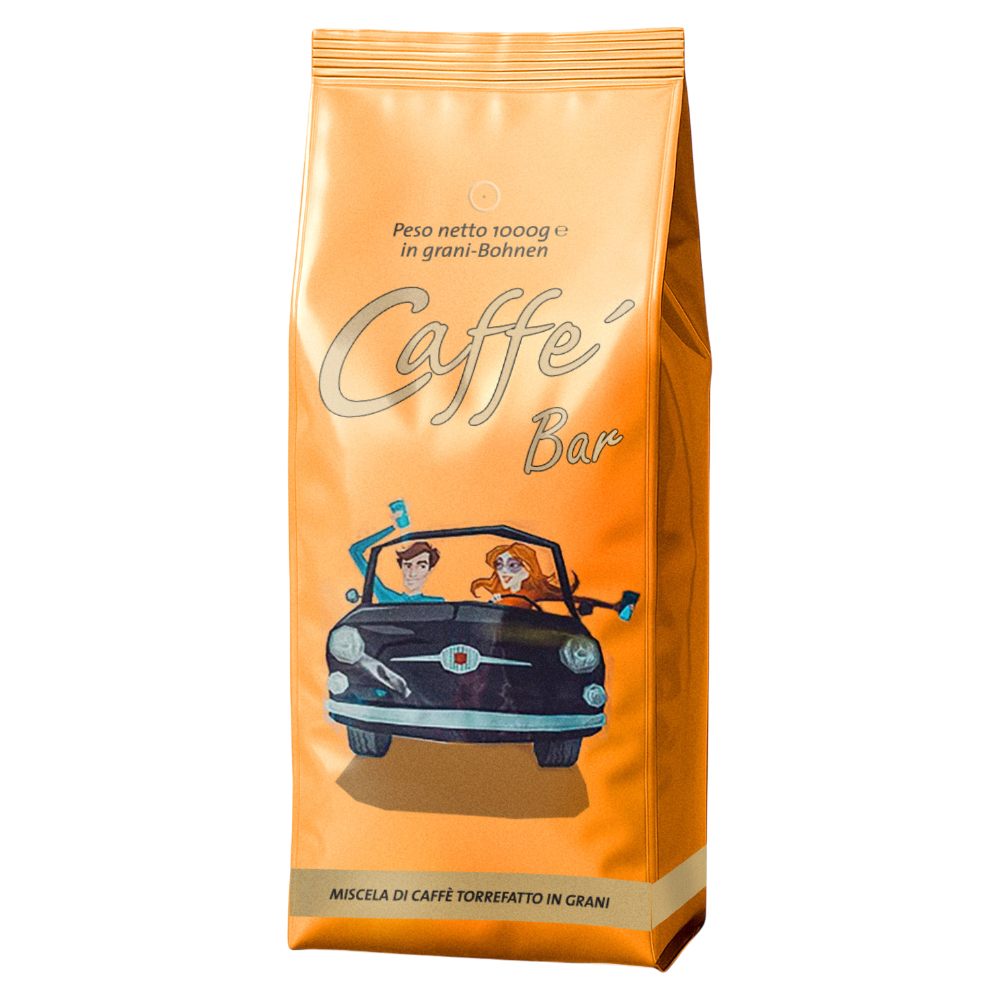


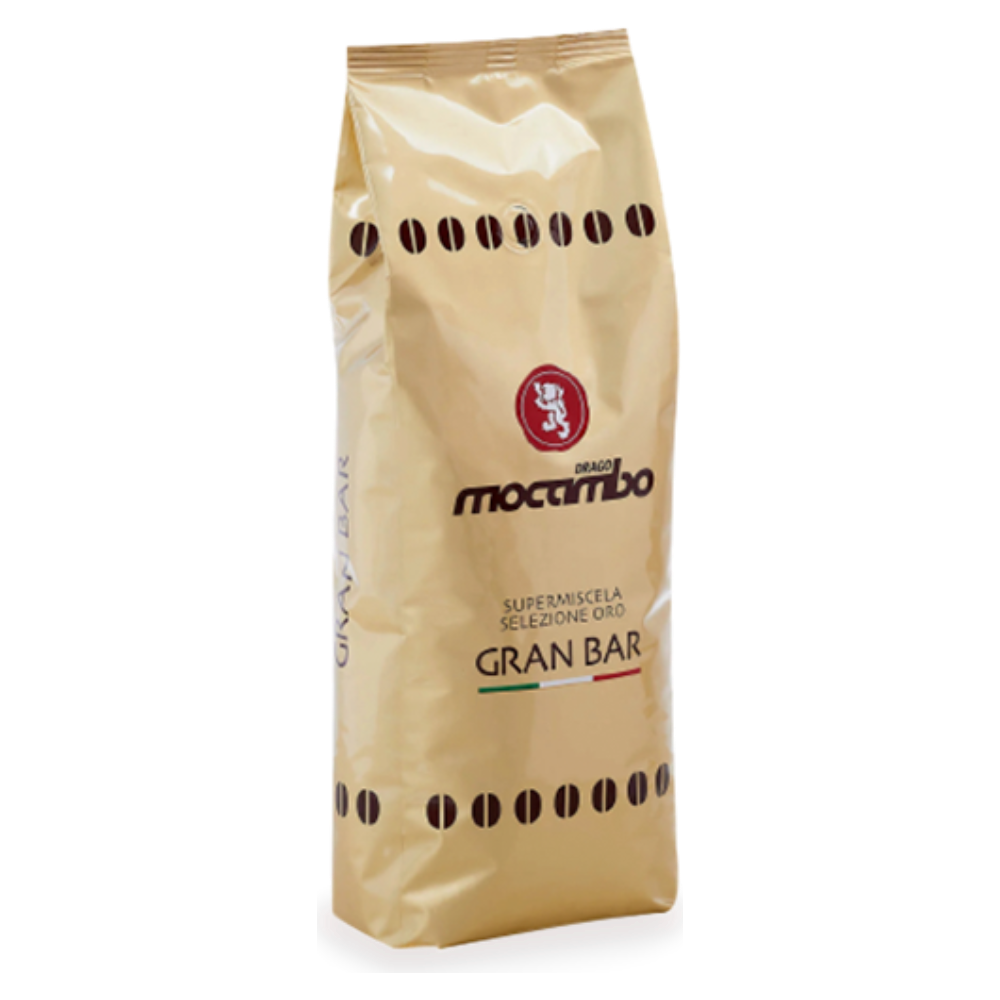
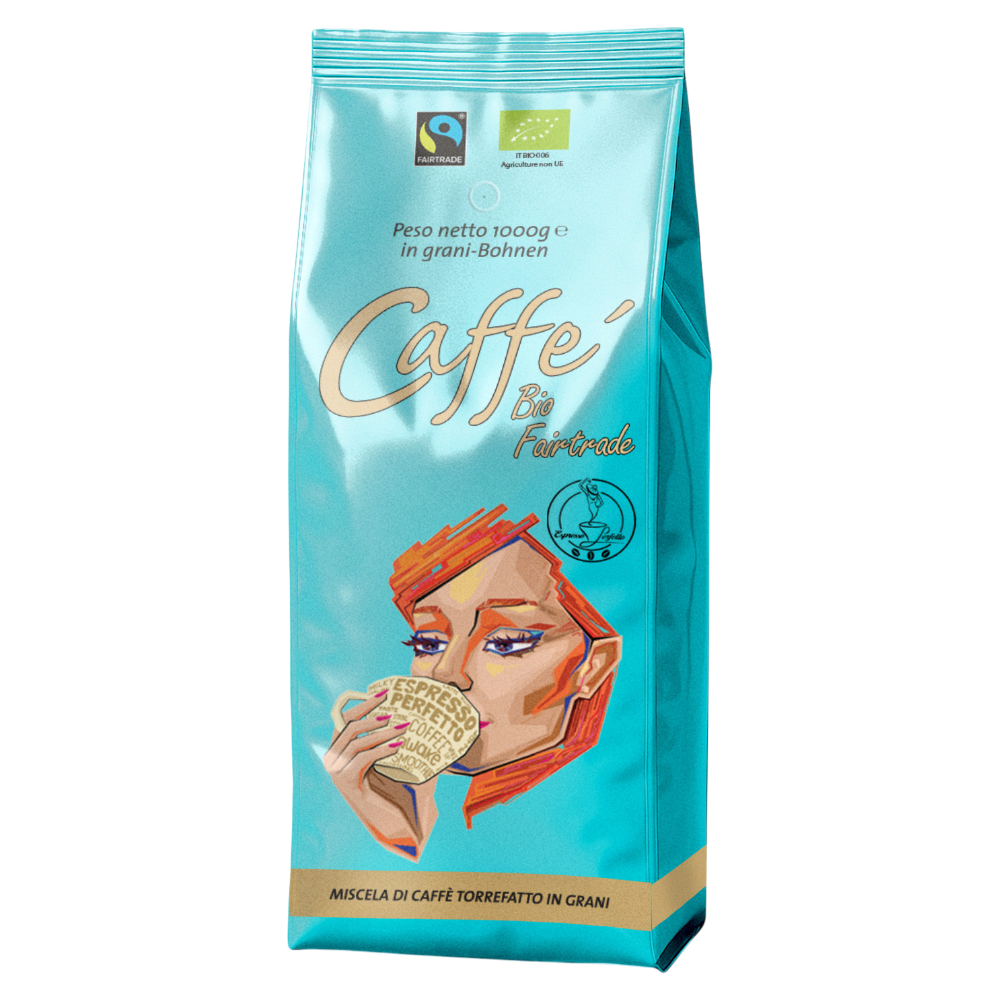
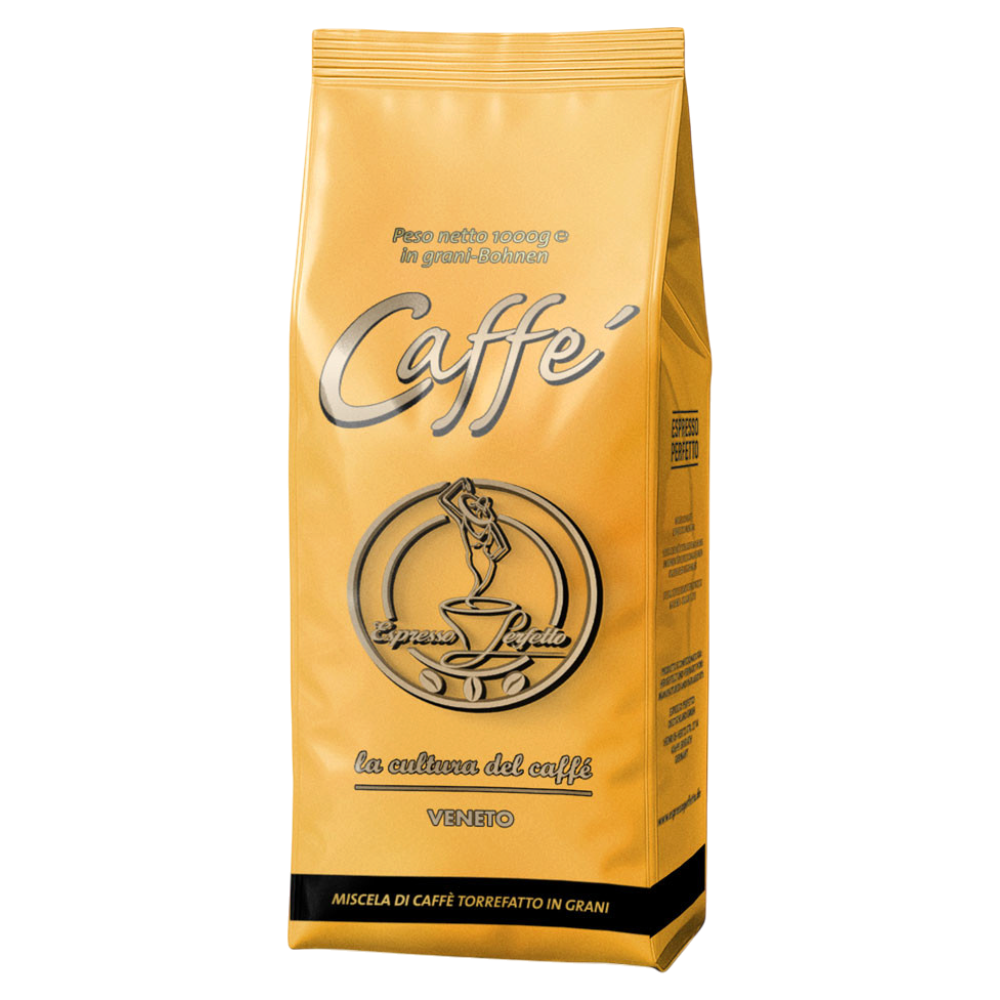


* Savings compared to our previous price.


* Savings compared to the manufacturer's suggested retail price (MSRP) or, in the case of "Instead of" prices, compared to our previous price.


* Savings compared to our previous price.


* Savings compared to our previous price.


* Savings compared to the manufacturer's suggested retail price (MSRP) or, in the case of "Instead of" prices, compared to our previous price.
Frequently Asked Questions About Espresso Crema
How does the crema form on top of an espresso?
An espresso machine forces hot water at a pressure of about 9 bar through the finely ground coffee, releasing the CO₂ from the grounds. As soon as the espresso flows into the cup, the pressure drops, the gas bubbles up, and forms the tiny bubbles of the crema.
Why doesn't my espresso have crema?
Common causes include beans that are too old or have been ground previously, a grind that is too coarse, uneven tamping, a dirty filter basket, a brewing temperature that is too low, or insufficient pressure.
What color should the crema be?
Hazelnut-brown to golden brown, often with fine, reddish-brown tiger stripes. A crema that is too light usually indicates under-extraction, while one that is too dark indicates a grind that is too fine, too high a pressure, or a brewing time that is too long.
How long should an espresso take to brew?
As a rule of thumb, about 25 to 30 seconds. If it runs through much faster than that, the grind is usually too coarse.
How fresh should the beans be to produce a good crema?
It's best to use them within a few weeks of the roasting date. However, they shouldn't be fresh off the roaster, because in the first few days the crema becomes bubbly and collapses quickly.
Is a lot of crema a sign of good espresso?
Not necessarily. Robusta beans and double-walled filters produce more foam, but that doesn't necessarily make the espresso better. What's more telling is the overall picture—color, consistency, and retention time.