



Matcha vs coffee:A comparison of two stimulants
Whether as a start to the day or as an afternoon pick-me-up, coffee has long been the number one favorite pick-me-up for many. But it has long since had company: The Japanese hot drink matcha is also becoming increasingly popular in Europe. Matcha vs. coffee has long been more than just a trendy topic, it is a decision between two completely different but equally powerful sources of energy.
While one has a strong roasted aroma and a quick caffeine kick, the other is a rich green, full of antioxidants and quiet energy.
We take a closer look at the two popular hot drinks - their origins, effects, preparations and why it's worth having both in your cup. You might even end up with a little surprise from the Espresso Perfetto...
From Zen to the Portafilter: the origin of your favorite drinks
Behind every cup of coffee or matcha is not only caffeine, but also a centuries-old history that has strongly influenced two cultures.
The coffee has its roots in Ethiopia, where, according to legend, a shepherd named Kaldi discovered the invigorating effect of the coffee cherry. From there, coffee first conquered the Arab world and later Europe. In Italy in particular, coffee became a real passion and is now a clear symbol of Italian coffee culture and worldwide enjoyment.
Matcha, which literally means "ground tea", does not have its origins in Japan, as many believe, but in China. Matcha was discovered here over 1000 years ago and used as a remedy and meditation drink. It was later brought to Japan by Buddhist monks, where matcha was then refined and perfected.
Today, matcha is finding its way into modern kitchens, cafés and the odd Instagram post: from the classic matcha latte or dirty matcha latte (matcha with a shot of espresso) to trendy recipes such as iced matcha latte or matcha cappuccino.
Matcha or coffee - which do you prefer?

Caffeine in comparison: espresso boost or matcha zen?
For many, the most important question is now: coffee or matcha - which is better for waking up? And the answer: a very clear "it depends". And it depends on how you want to wake up.
Coffee for a quick kick
Coffee gives you a quick and immediate caffeine kick. Within 15-30 minutes, the caffeine is in your bloodstream, your pulse quickens and your concentration increases - perfect for a quick start in the morning or an afternoon slump at the office. The effect is intense, but relatively short-lived: it wears off after a few hours, sometimes accompanied by the typical "caffeine crash", which manifests itself in sudden tiredness or difficulty concentrating.
Matcha: Awake, but with Zen
Matcha, on the other hand, is slower - but no less effective! The caffeine is released more gently and evenly by the amino acids contained in the tea. The result: a calm, longer-lasting energy boost without any nervous side effects. So while coffee provides a quick focus, matcha is ideal for phases in which you want to stay concentrated for longer - for example when studying, during creative phases or focused project work.
Is matcha or coffee healthier? The fact check
They can both wake you up - but coffee and matcha have long been more than just energy boosters. Prepared correctly and enjoyed consciously, both drinks have real health benefits.
Coffee: the underrated classic
Long misjudged as a neurotoxin, coffee has more than rehabilitated its reputation today. Studies show that moderate coffee consumption even has health benefits:
- Lower risk of type 2 diabetes, Alzheimer's and Parkinson's disease
- Promotes metabolism and supports fat burning
- Can reduce the risk of cardiovascular disease
But beware: if you have a sensitive stomach, too much stress or chronic high blood pressure, coffee can be too much of a good thing.
Matcha: the superfood in green
Matcha enters the race as a real health booster. In addition to caffeine, it contains L-theanine, an amino acid that has a calming effect and promotes concentration. What's more, with matcha you drink the whole tea leaf - so you get more vitamins, minerals and antioxidants than with normal green tea.
Other health benefits:
- Can stabilize the blood sugar level
- Lowers the cholesterol level
- Ensures healthy intestinal flora
Conclusion: Is matcha or coffee healthier?
Both drinks have impressive effects - but they work differently. If you are sensitive to caffeine or value a holistic effect, matcha is the better choice. For everyone else: enjoy it consciously - and sometimes both.
Matcha vs coffee: taste and preparation

Coffee and matcha are worlds apart - especially when it comes to taste and preparation. But this is precisely where the appeal lies: both have their very own world of flavors that can be discovered and enjoyed.
Coffee: the art of roasting and variety
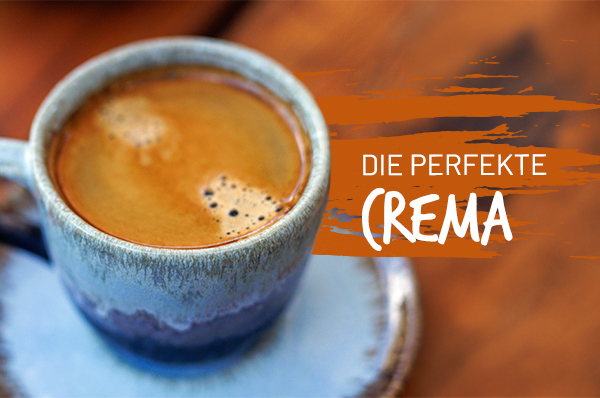
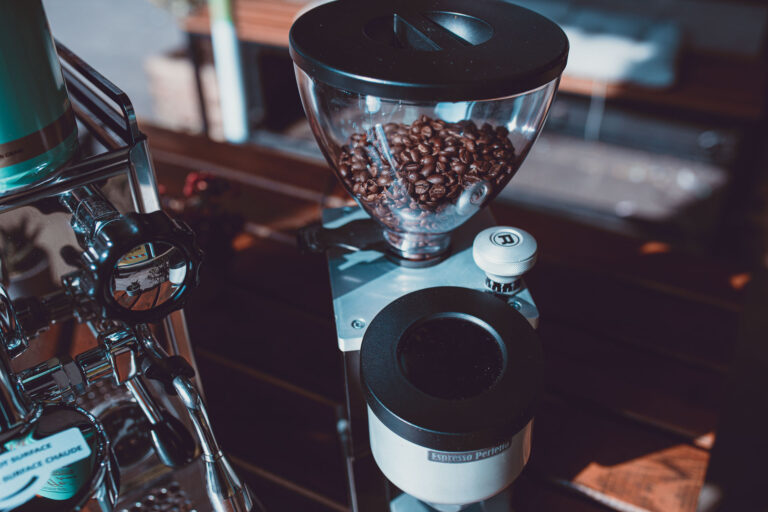
Coffee tastes the way it has been blended, roasted and ground. And that can mean anything from chocolatey and mild to delicately fruity and smoky and bitter. Our little favorite, the espresso, is particularly impressive with its concentrated intensity and a pleasantly bitter note. If you like it softer, go for a cappuccino with creamy milk foam or enjoy a cold brew in summer.
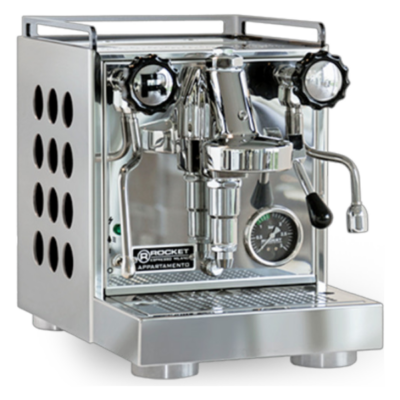
The preparation options are almost endless: French press, portafilter machine, Aeropress, filter coffee - coffee is a real toy for gourmets.
Matcha: green foam with depth
Matcha tastes... different. Grassy, slightly sweet and tart at the same time, sometimes even with a subtle umami note - a taste that many people have to get used to, but which delights just as many. Prepared correctly - i.e. finely sieved, poured over with water at 60-70° and whipped with a bamboo whisk - it develops a fine, frothy texture that is reminiscent of a velvety cappuccino, only green.
As an iced matcha latte with milk (or oat drink), it becomes a mild, modern classic. And if you want to get creative: Matcha also goes well in smoothies, pastries or even an affogato with vanilla ice cream.
Matcha or coffee? Matcha with coffee!
But why choose when you can have both? The Dirty Matcha Latte combines the two stimulants and gives you a double caffeine kick. Here's your matcha coffee recipe!
Ingredients:
- High-quality matcha powder
- 1-2 espresso shots
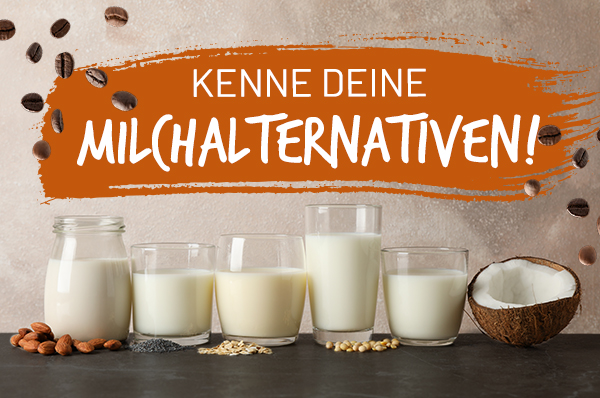
- Milk or plant-based alternative
And this is how it works:
- Dissolve 1-2 grams of matcha powder in a dash of water and mix with a bamboo whisk or small whisk until smooth.
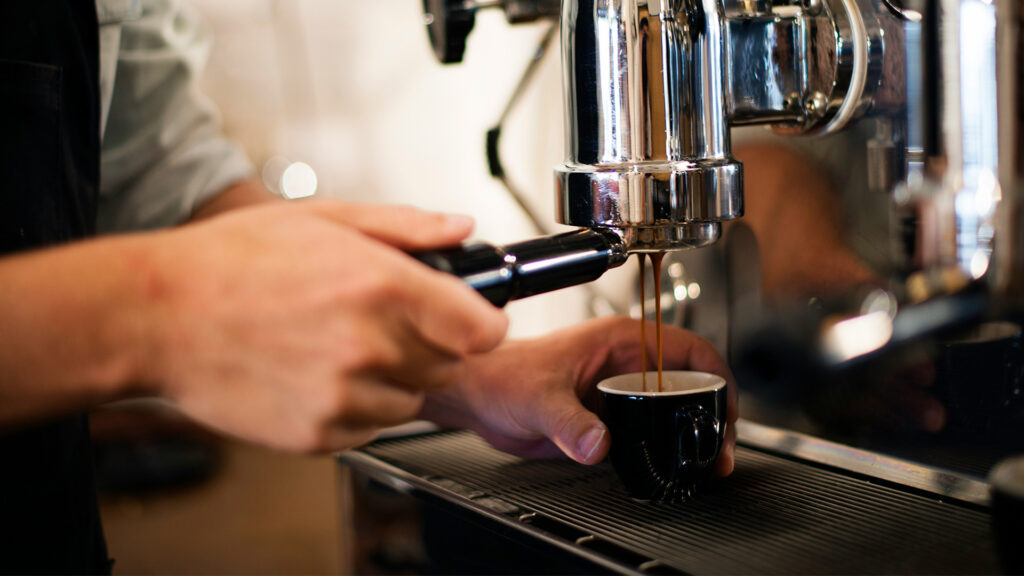
- Brewing espresso. It tastes best when you grind and prepare your espresso fresh.
- Heat the milk and froth it up. For the iced version, simply use ice cubes and cold milk.
- Pour the matcha into the glass, then slowly pour in the espresso and top with milk. Voilà - your matcha coffee is ready!

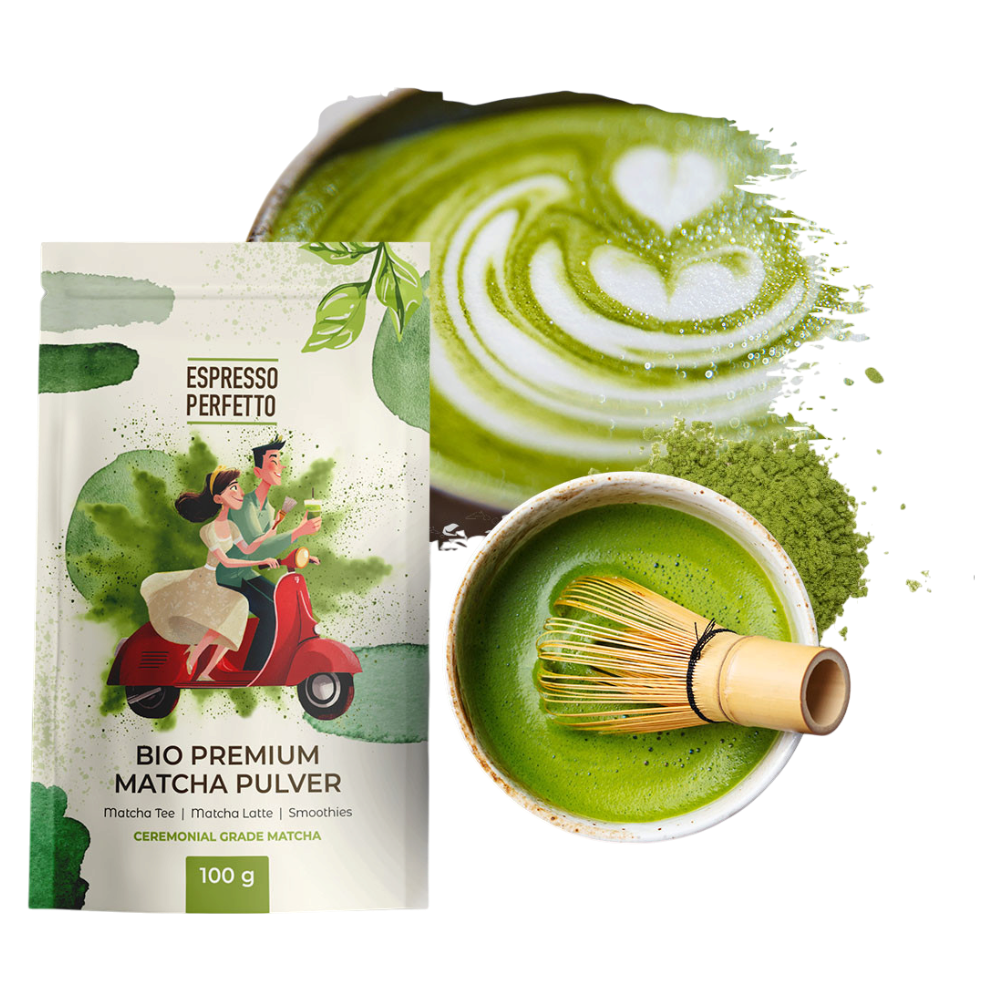
Matcha Premium 5-Piece Set
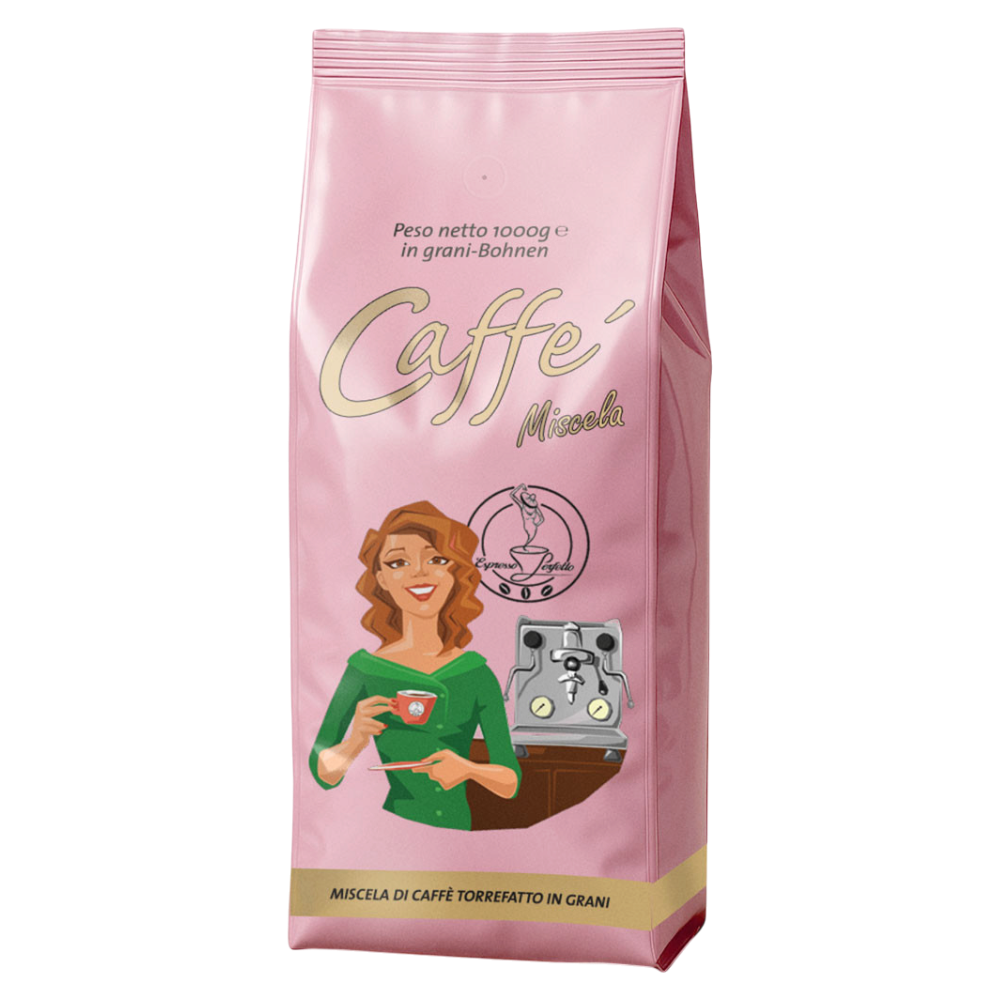
Espresso Perfetto Classico 1000g

Espresso meets matcha - two worlds, one store
Whether it's a strong espresso or a smooth matcha - in the end it's all about what you like best: depending on your mood, time of day or energy requirements. With our espresso beans, grinders and barista accessories you'll find everything you need for your coffee ritual at Espresso Perfetto .
And for all those who prefer to wake up in green or are curious about new things: We have good news! Espresso Perfetto now also offers matcha & accessories - of course in the usual quality, with style and great attention to detail.