





The Bergisch coffee table - a tradition with taste

Anyone who only thinks of coffee and cake when they hear "coffee table" has probably never been a guest in the Bergisches Land. Because here, the invitation to a traditional coffee table or "Koffiedrenken met alles dröm on draan" is a real experience. Everything the connoisseur's heart desires is served here: fragrant coffee from the "Dröppelminna", sweet pastries, hearty brown bread with sausage and cheese and sometimes even freshly scrambled eggs.
The Bergisch coffee table is therefore a real feast - but it is also a cultural ritual and a tradition with heart. We have already introduced it to you in our little coffee world tour - now we want to take a closer look at the Bergische Kaffeetafel. Find out where it comes from, what it involves and what a "Dröppelminna" actually is in this article!
Origin and history - The original Bergisch coffee table
The roots of the Bergisch coffee table go back deep into the rural everyday culture of the Bergisches Land. It was already known here at the beginning of the 18th century as a colorful feast in the family circle. Originally, it was not a tourist attraction, but an integral part of rural hospitality.
When family or guests arrived, everything that the kitchen, pantry and barn had to offer was served up. Guests often also brought something to eat, so that the colorful selection was even greater. The coffee table was a sign of mutual appreciation - an invitation to enjoy and share time together.
Exactly what the "Dröm on draan" of the coffee table included depended on the historical and family situation. In the past, it was only customary for wealthier families to have a coffee table as rich as the one we know today. In poorer families, the selection was rather simpler, but no less hearty.
However, the Bergische Kaffeetafel only got its name in the 1930s. At that time, family celebrations began to be held outside the home and the sumptuous table eventually attracted city dwellers out into the countryside who wanted to eat their fill and enjoy a little time out "op bergisch". After all, the Bergisch coffee table is not intended for a quick snack. People often sat and still sit together around the table for several hours, enjoying the many delicacies and using the time for long conversations. And that is exactly what makes them so special to this day.
Dröppeln in style: The Dröppelminna and the Bergische Tafel coffee
Of course, one thing is a must at a coffee table: coffee. And it traditionally comes from a very special vessel, the so-called Dröppelminna. This bulbous pot, usually made of pewter, with three feet and a small tap is not only functional, but also a piece of regional identity. It is the true star of the Bergisch coffee table and was already the ornament in many households in the past.
The unusual name comes from the small crane from which the coffee is tapped. As the jug is constantly leaking a little, it drips or "dröppelt" in Bergisch dialect. The term "Minna" or "Mina" comes from the first name Wilhelmine and used to refer to the domestic helpers who assisted the housewife. The round, bulbous shape of the pot supposedly reminded us of such a housekeeper and gave her the name Dröppelmina. In the past, no Bergisch household was complete without such a coffee pot and it was the pride of every housewife.
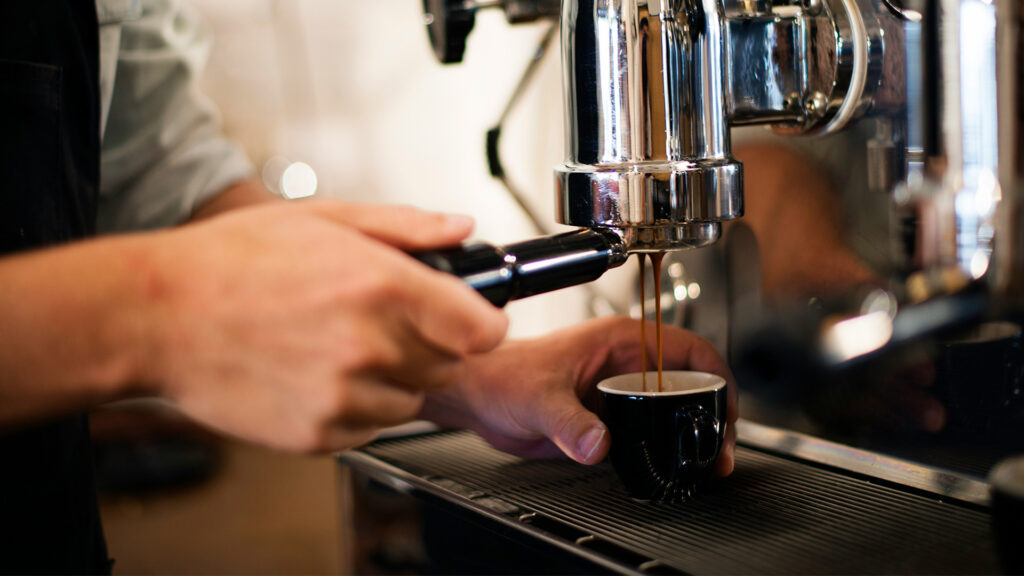
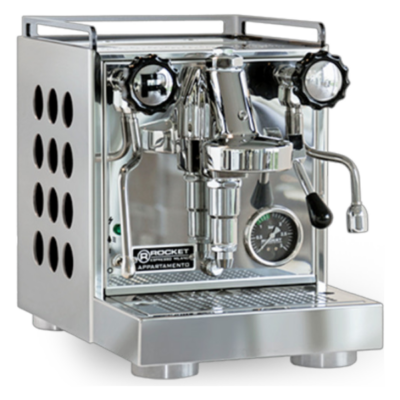
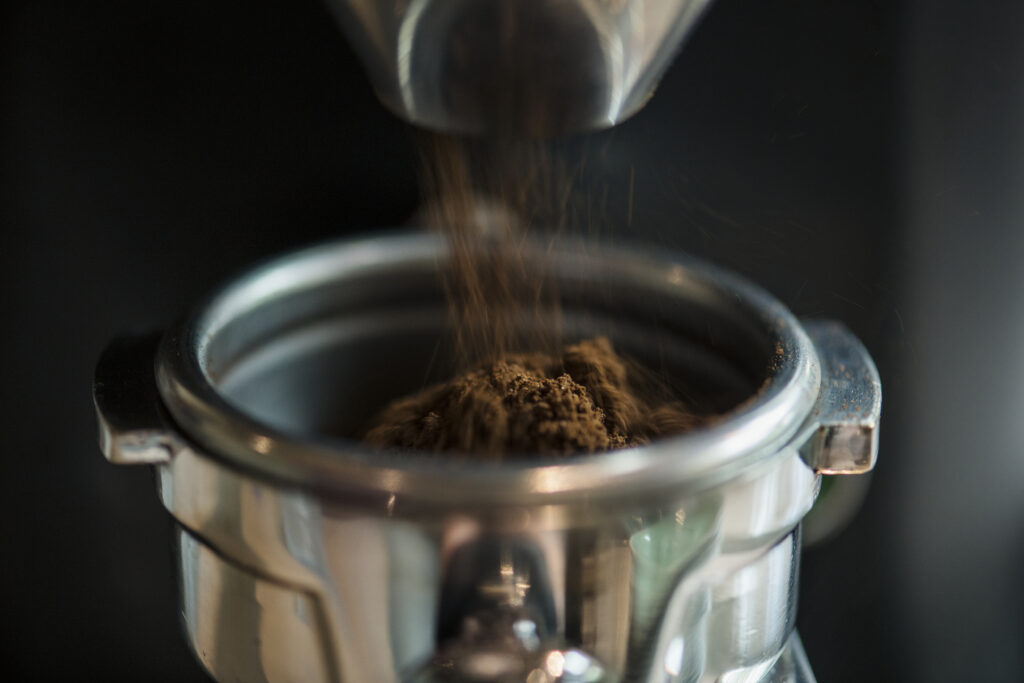
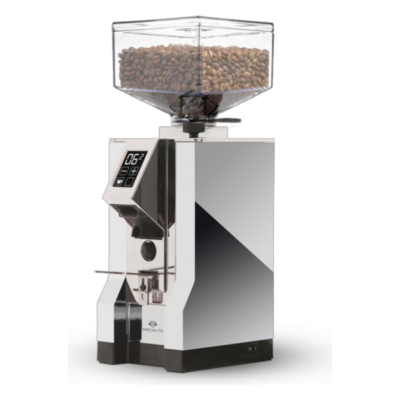
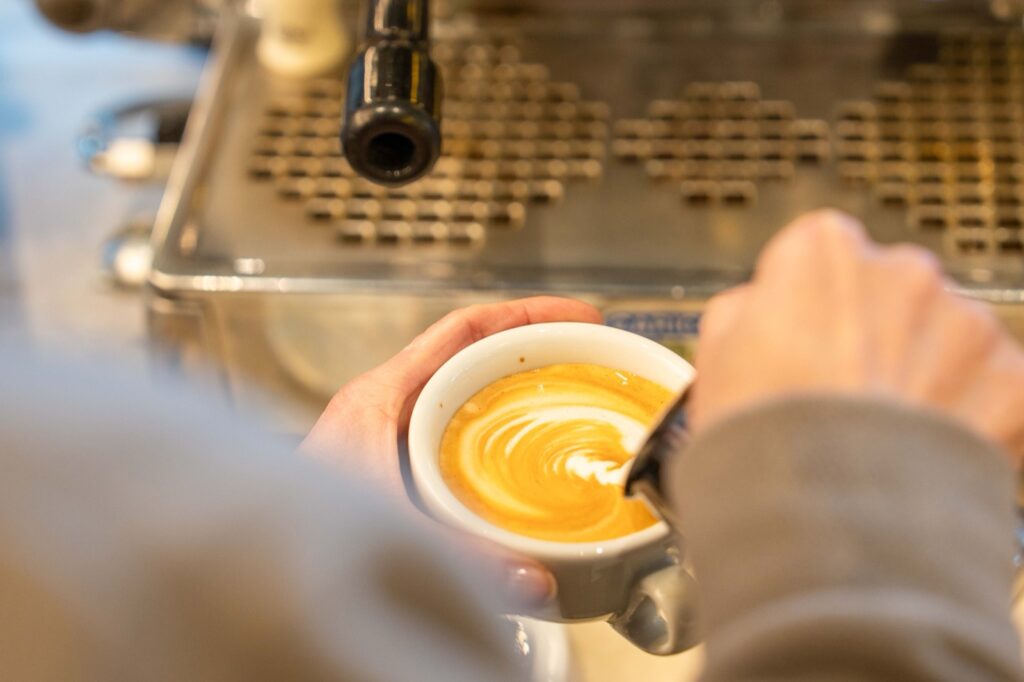
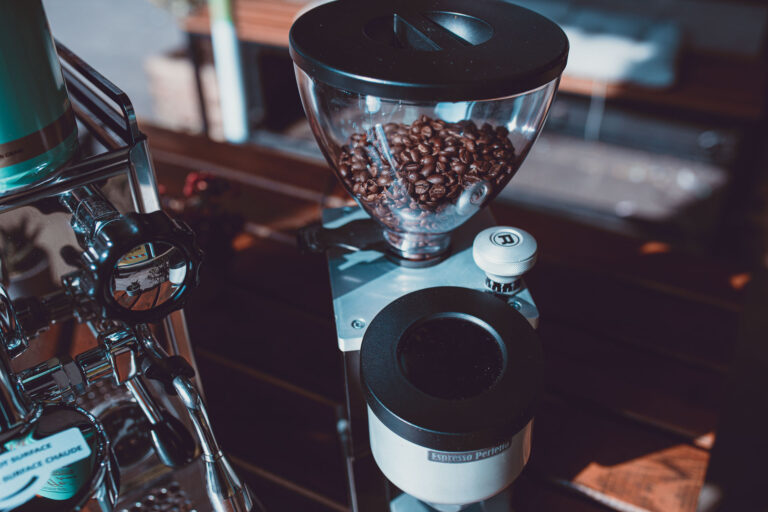
The coffee is brewed in a separate container before being poured into the Dröppelminna and served in style. But modern interpretations also have their place: with high-quality espresso beansstylish espresso machines and precise grinders from Espresso Perfetto allow you to customize your coffee enjoyment - whether classic or newly interpreted.
The taste of the Bergisches Land: The coffee table in detail
There is no fixed list of ingredients or order of courses for a good Bergisch coffee table. In the different areas of the Bergisches Land and in the different social classes, there are many variations with sometimes more and sometimes fewer ingredients. In addition, each family had its own personal preferences as to what should be served at a Bergisch coffee table and how. Nevertheless, there are a few rules that you can follow when creating your own table.

What goes into a Bergisch coffee table? - The ingredients
Despite all the differences, a classic combination of ingredients for the Bergisch coffee table has evolved over the years and is now considered the typical table in many places:
The legendary "Dröppelminna" is of course enthroned in the middle of the finely laid table. Surrounding it is a colorful selection of sweet and savory treats. These almost always include
- Fresh waffles, often served with cream and hot cherries
- Currant white bread or raisin stollen or yeast buns
- Rice pudding with sugar and cinnamon
- Farmer's butter and quark
- Various types of Bergisch bread, e.g. rye, black or gray bread
- Apple, turnip and pear cabbage
For special occasions or an extra-luxurious table, solid cakes, pretzels, rusks or pancakes were also served in the past. Traditional Rhenish pastries such as Muzen and Bomböschen or Ballebäuschen were also served, especially at Shrove Tuesday or New Year.
Furthermore, the variations are endless. Whether liver sausage, scrambled eggs or additional spreads such as honey or hard cheese - you can arrange your Bergische Kaffeetafel however you like! You can serve whatever is available.
The combination of sweet and savory is a natural part of the dining tradition. What may seem unusual at first glance reveals its very own charm when enjoyed.


How do you enjoy the Bergische Kaffeetafel? - The order
There are also different opinions about the order in which you eat the ingredients on the coffee table, and here too, personal taste is often the deciding factor. Nevertheless, we would like to give you a small suggestion for the rough order of courses:
- It usually starts with a sweet prelude. The currant bread or yeast bread is spread with a thick layer of butter and apple, pear or turnip syrup. A layer of rice porridge with a little cinnamon and sugar is then added.
- Waffles often come second. In poor times, these were often served with apple sauce, but today they are often served with cream and hot cherries.
- Then it gets hearty. In the second course, the heartier types of bread are served with cheese or sausage as a topping. The second course is rounded off with a slice of brown bread with butter and "Klatschkaes" (curd cheese).
- The Bergisch coffee table often ends with a clear or fortified schnapps. The coffee from the Dröppelminna is of course enjoyed throughout the meal.
Bergische Kaffeetafel for at home - together with Espresso Perfetto
Now it's your turn! Invite your loved ones and try the Bergische Kaffeetafel yourself. If you not only want to experience it, but also serve it up yourself, you don't need a complete farmhouse kitchen - just a little attention to detail. With regional recipes and a few creative ideas, you can easily make a modern or traditional version at home.
You don't have to stick strictly to the classic ingredients. Whether vegetarian, vegan or customized - whatever tastes good and suits you is allowed. The Bergische Kaffeetafel is flexible and you can add or omit ingredients as you wish.
What really makes them special is and remains the idea of conviviality and hospitality behind them - and of course the coffee! You can ensure the perfect coffee base with high-quality espresso beans, professional machines and matching accessories from Espresso Perfetto. Take a look at our store and get everything you need for a real coffee table.


