

Was Jahrzehnte lang als selbstverständliches Alltagsgetränk galt – schnell aufgesetzt und in der Thermoskanne warmgehalten – erlebt in den letzten Jahren sein großes Comeback. Aber diesmal in einem völlig neuen Gewand: als Qualitätsprodukt, als Slow-Coffee-Erlebnis und als Ausdruck eines achtsamen Lebensstils. In Specialty-Cafés stehen Single-Origin-Filter längst wieder auf der Karte. Und auch zuhause greifen immer mehr Kaffeeliebhaber zur Filterkaffeemaschine. Doch warum erlebt Filterkaffee ausgerechnet jetzt ein solches Comeback? Und was macht Pour Over Coffee so besonders? Wir schauen genauer hin!
The Trend Toward Filter Coffee: Then and Now
For decades, filter coffee was the most widely consumed coffee beverage in Germany, without any “trendy” label attached to it. Every household had a filter coffee maker, and brewing a pot was part of the morning routine. With the rise of coffee chains and the boom in fully automatic and capsule machines, the landscape changed: espresso drinks and one-button solutions dominated the market—filter coffee was suddenly considered outdated.
Yet espresso brought something to the world of coffee that is now also driving the filter coffee trend: the idea of preparing coffee as a mindful experience. Grinding the beans, measuring out the exact amount, and paying close attention to the result in the cup are an art in themselves. And that’s exactly what the pour-over coffee trend is bringing to the world of filter coffee.


The New Trend in Filter Coffee and What's Behind It
Trends rarely happen by chance—and the new trend toward filter coffee is no exception. There are several reasons for this return to this coffee classic:
A Counter-Movement to the Culture of Convenience
Capsule machines and fully automatic coffee makers have made enjoying coffee more convenient—but also more interchangeable. For those seeking more control and a deeper engagement with the product, pour-over is the perfect choice: the brewing process is transparent, controllable, and requires a minimal amount of attention.
Growing Awareness of Quality
Terms like “single origin,” “roast profile,” and “extraction rate” are no longer just part of a barista’s vocabulary. And filter coffee is the brewing method that most clearly highlights differences in quality: What ends up in the cup is a direct result of bean quality, grind size, and brewing technique.
Coffee as a Mindful Break
It takes five to seven minutes to prepare a pour-over coffee. This isn’t a drawback; for many, it’s the whole point of this method. The preparation routine serves as a brief, mindful break that sets it apart from the rest of the day. The trend toward filter coffee thus fits perfectly with the broader trend toward slowing down and mindfulness.
The face of the new drip coffee trend:
Pour-Over Coffee

"Pour-over," which simply means "pouring over" in German, refers to a manual filter coffee method in which hot water is poured in a controlled and even manner over ground coffee. The water flows through a filter into a container below; the pour-over drip is created by gravity, not by pressure. There’s no more to the basic principle than that.
Today, “filter coffee” and “pour-over coffee” are often used interchangeably, and both essentially describe the same principle: filtered coffee brewed by hand. The difference lies more in the connotation: “filter coffee” sounds like an everyday drink, while “pour-over” suggests a focus on the quality of the brewing process.

The Pour-Over Coffee Boom in Cafés and on Social Media
Pour-over has long been the standard at specialty coffee shops. Many coffee shops offer hand-filtered coffees as a separate category, usually with details on origin, harvest, and processing method. The preparation process at the counter is often deliberately showcased; it’s part of the product.
Pour-over works well on social media for similar reasons: the process is visual, calm, and repeatable. A steady stream of water over freshly ground coffee conveys exactly what many people are looking for: a slower pace, care, and quality. And the pour-over trend has also made its way into the kitchens of many hobby baristas.

How to Make Filter Coffee – How to Make Your First Pour-Over a Success
You don't have to be a barista to use a pour-over coffee maker for the first time.
There are three basic principles that have the greatest impact on the result:
01
Freshly ground:
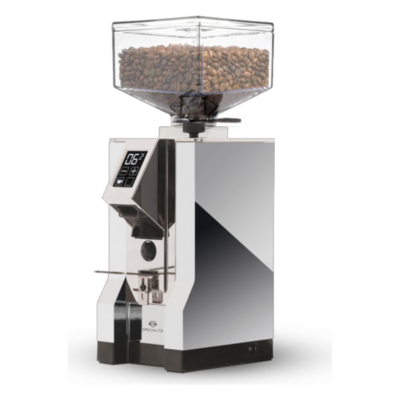
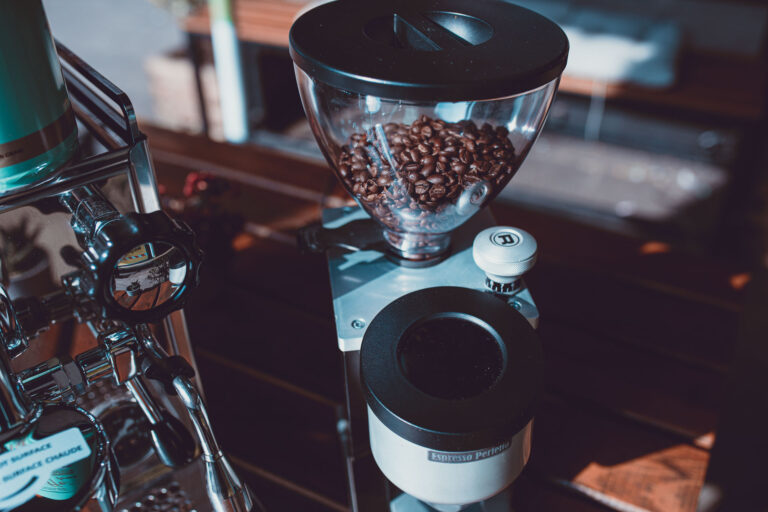
Coffee and espresso beans quickly lose their flavor after being ground. If you grind them right before brewing, you’ll get much more out of the beans. Recommended coffee grinders are available in the Espresso Perfetto online shop.
02
Note the water temperature:
Boiling water is too hot. It over-extracts the coffee and makes it bitter. The ideal temperature is 90–96 °C. If you don't have a thermometer on hand, just wait 30 seconds after the water comes to a boil.
03
Don't skip the blooming phase:
At the start of the brewing process, the ground coffee swells. This is known as “blooming.” During this process, CO₂ that has accumulated in the beans during roasting is released. If you let the coffee sit for a moment before pouring in the rest of the water, you’ll ensure a more even extraction and a well-rounded flavor profile.
Coffee-to-Water Ratio: Reference Table
As a starting point, we recommend a brew ratio of 1:15—that is, one gram of coffee to 15 ml of water. If you prefer a milder brew, you can go with a 1:17 ratio.
Coffee & Water in the Perfect Ratio
The ideal ratio for a well-balanced flavor—from a single cup to a whole group.
Rule of thumb: about 15 g of coffee per 225 ml of water —add 10 g and 150 ml per cup.
Filter Coffee & Pour-Over vs. Espresso
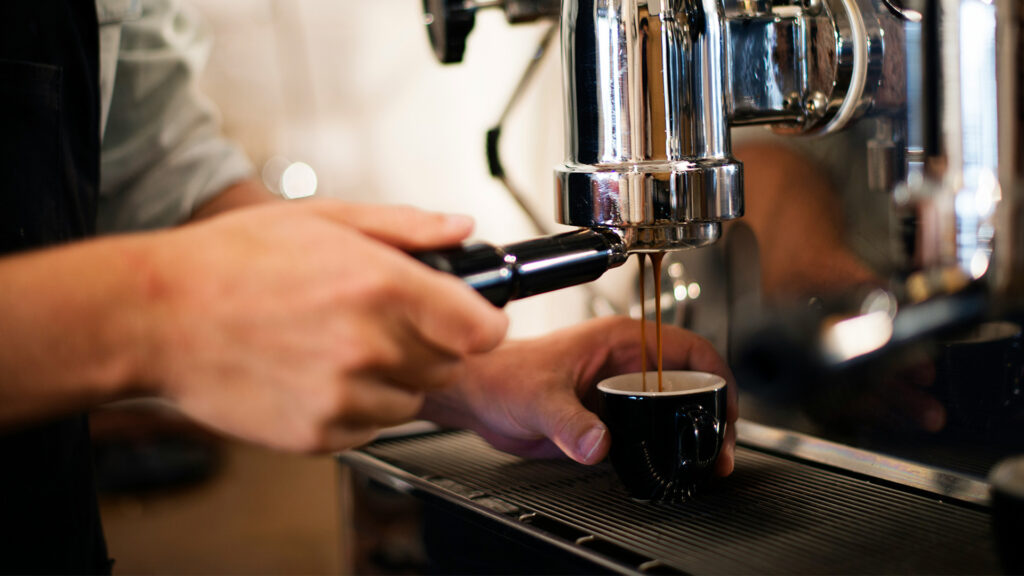
Espresso and pour-over coffee are fundamentally different methods, and that’s exactly why they complement each other so well. Espresso uses high pressure, a small amount of water, and a short extraction time. The result is concentrated, full-bodied, and intense.
Filter coffee works the opposite way: plenty of water, no pressure, and a longer extraction time. The coffee has a lighter body and a more delicate aroma. Many coffee lovers naturally combine both methods: espresso in the morning, hand-filtered coffee in the afternoon.

Our Espresso Perfetto
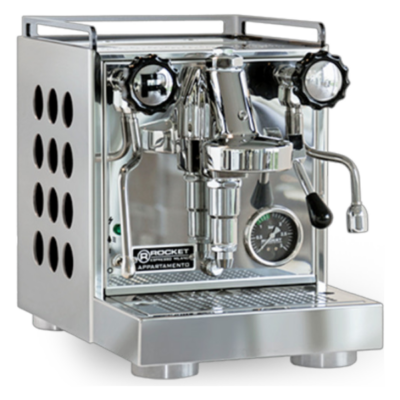
Just the thing for all coffee lovers: Whether you’re an espresso fan or a filter coffee connoisseur, Espresso Perfetto something for every caffeine junkie. Our machines and beans are primarily designed for espresso, but with 100% Arabica beans, grinders with various grind settings, and a wide range of accessories, pour-over coffee fans will also find what they’re looking for. Check out our online store and discover the entire Espresso Perfetto !