


Espresso glasses or espresso cups fulfill their purpose when they keep the espresso warm for a long time. That's why today we're looking at different glasses and cups that are best suited for this purpose.
There are different materials such as ceramic, porcelain, and glass, but also different shapes and designs, such as the well-known double-walled espresso glasses or thick-walled espresso cups.
In terms of shape, there are bulbous or doppio cups, tulip-shaped, cylindrical, and egg-shaped cups, as well as conical cups and demitasse cups.
The quality of heat retention can vary depending on the shape, material, and construction. This blog article will focus primarily on construction—i.e., double-walled and thick-walled.
In the end, you know: double-walled espresso glasses or thick-walled espresso cups?
Warm espresso and pure enjoyment with thick-walled espresso cups
One thing is certain: thick-walled and double-walled – YES! Thin-walled – rather difficult. This is because the amount of espresso is so small that it cools down incredibly quickly in thin-walled cups and glasses. Preheating the cup does not help in this case either, because the thinner the material, the less heat it can store. With thin-walled cups and glasses, the espresso should therefore be consumed immediately. If it is served slowly and then sipped slowly, it will cool down quickly.
Thick-walled espresso cups vs. double-walled espresso glasses
We explain why we prefer thick-walled espresso cups.
In terms of heat insulation and heat retention, double-walled and thick-walled versions are on a par with each other.
In a double-walled espresso glass, the layer of air or vacuum between the glass layers provides excellent insulation, so that heat escapes only very slowly. However, glass itself is not very good at storing heat.
The situation is different with a thick-walled espresso cup. These score highly in terms of heat storage and are even preheated by professionals for extra effect before being filled with espresso. Glass cannot store heat as long as the ceramic or porcelain of a cup, regardless of whether the construction is thick-walled or double-walled. The only reason why heat is retained for a long time in a double-walled glass is the layer of air in between, which insulates the heat but, unlike porcelain and ceramic, does not store it.
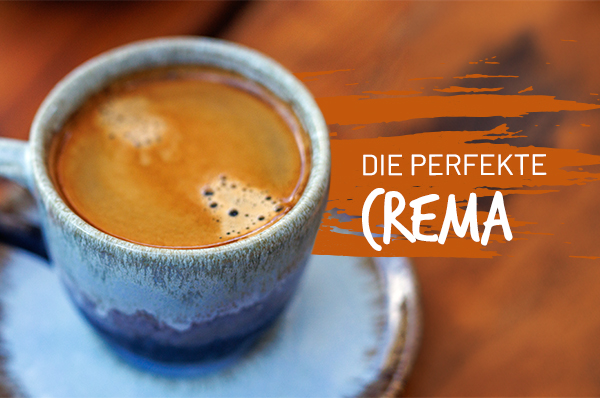
Double-walled espresso glasses were all the rage, mainly because of their appearance. You can see right through the glass and admire the crema. But what if you blindfold yourself and focus solely on the taste and unbeatable variety of aromas in your espresso?
And now comes the crucial point for us: thanks to ceramic or porcelain, cups are tasteless, while glass influences the drinking experience and taste. With ceramic and porcelain, the espresso taste is unconditionally the focus.
That's why thick-walled espresso cups are considered traditional and authentic for the true Cultura del Caffè.

Espresso Perfetto Cup, White, Palermo

Nuova Point Espresso Cup, Brown, Palermo

Nuova Point Espresso Cup, Red, Palermo

Nuova Point Espresso Cup, Black, Palermo

Nuova Point Espresso Cup, White, Palermo

Espresso Perfetto Cup, Black, Palermo

Espresso Perfetto Rocket Espresso Cup Palermo

Espresso Perfetto Rocket Espresso Cup Palermo

Nouva Point Palermo 4-Piece Espresso Cup Assortment Set
The original price was: €36.0029,90€The current price is: 29.90€.The right beans for even more Palermo flair
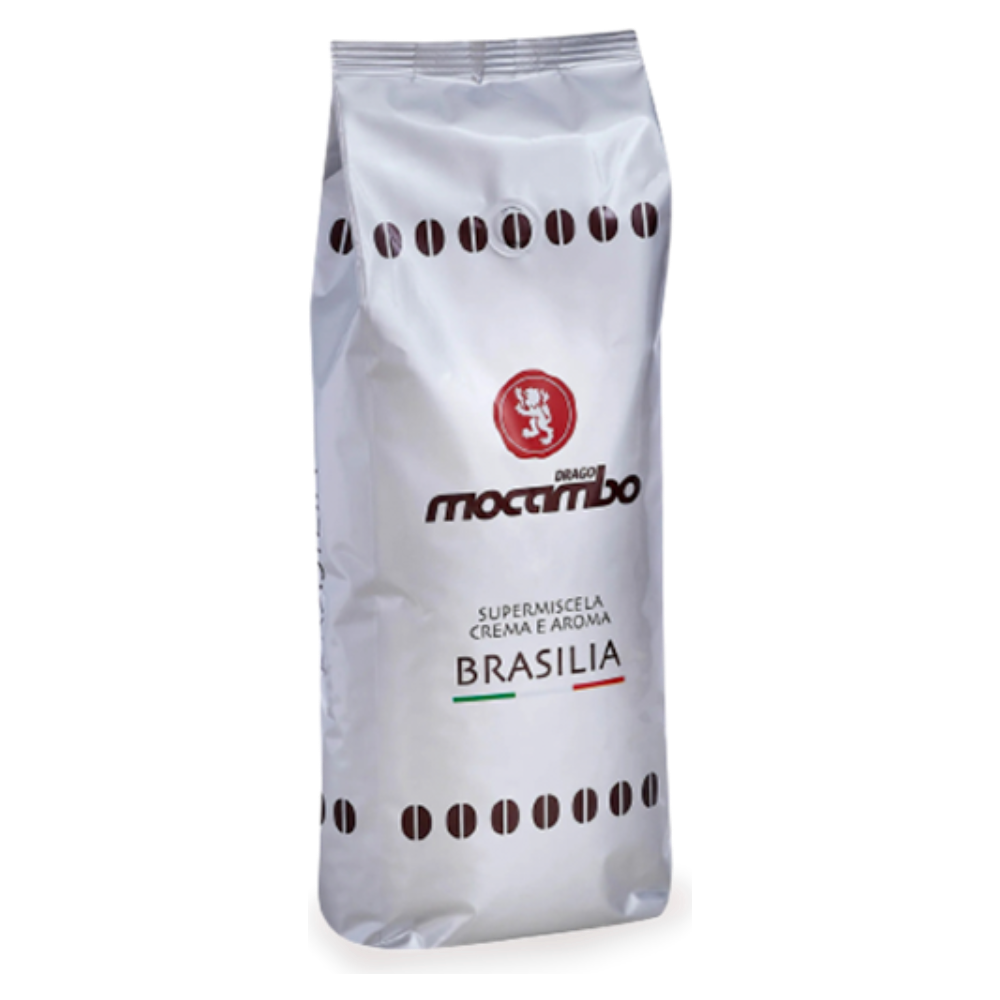
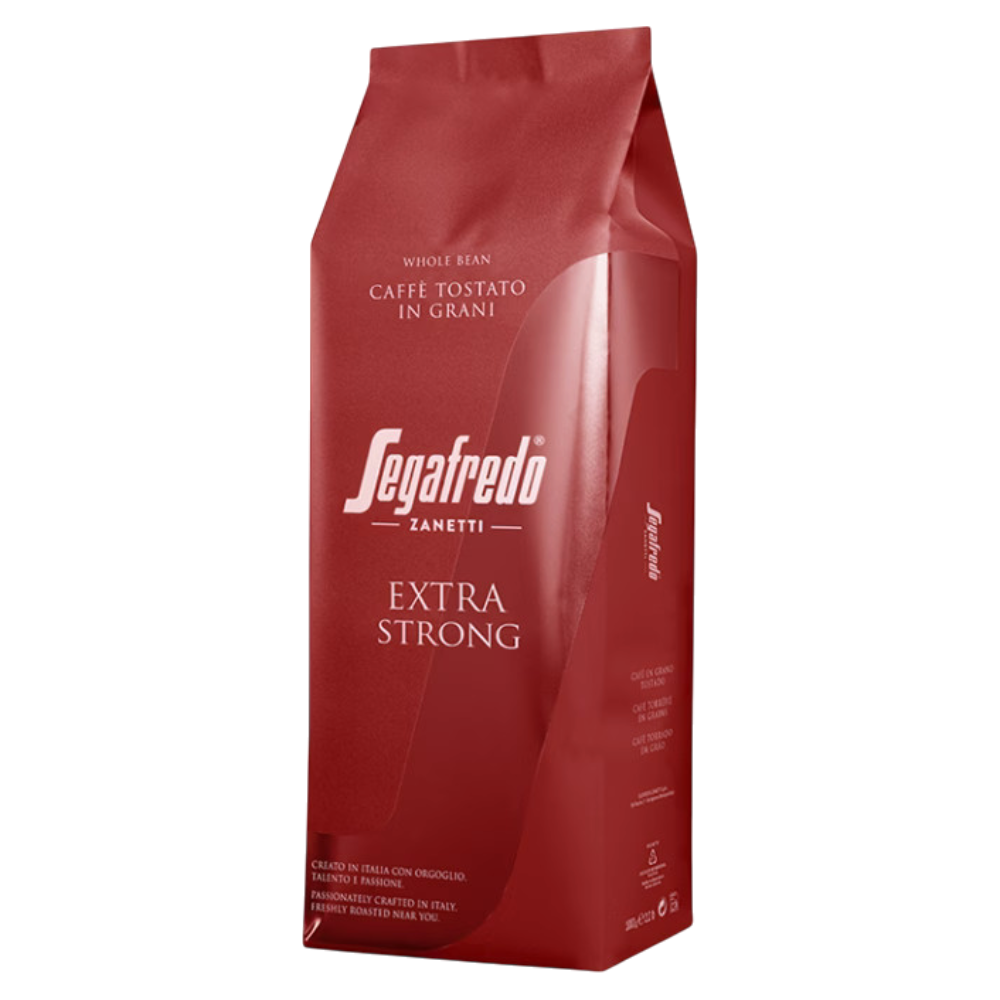
If you want to enjoy the full Palermo taste experience in our Palermo cups at home, we recommend Segafredo Strong and Mocambo Brasilia from our online shop – both are dark roasts with a strong and spicy aroma.