




Why does my coffee taste bitter even though I'm using good beans?
Bitter coffee despite good beans? Tips and common causes. Over-extraction: the most common cause of bitter coffee. Related to long brewing time, bitter compounds, grind size, and water pressure. Signs: dry, woody, astringent taste; no crema or white, flaky crema; long brewing time. Water temperature: too high releases bitter compounds. Guidelines: Portafilter , fully automatic machine 88°C, drip coffee 95°C, French press 96°C. Grind size: too fine increases extraction time. Portafilter ; fully automatic machine: medium-coarse; French press: coarse. Storage: airtight glass container, dark, room temperature. Do not store in the refrigerator. Quick test: 1. Measure brewing time 2. Check water temperature 3. Smell the beans 4. Clean the machine.
Quick Answer:
If your coffee tastes bitter despite using good beans, it could be due to one of the following four factors: over-extraction, water temperature, grind size, and how the coffee beans are stored. To get the best flavor out of your beans, it’s important to check all of these factors.
What does "overextraction" mean in espresso preparation?
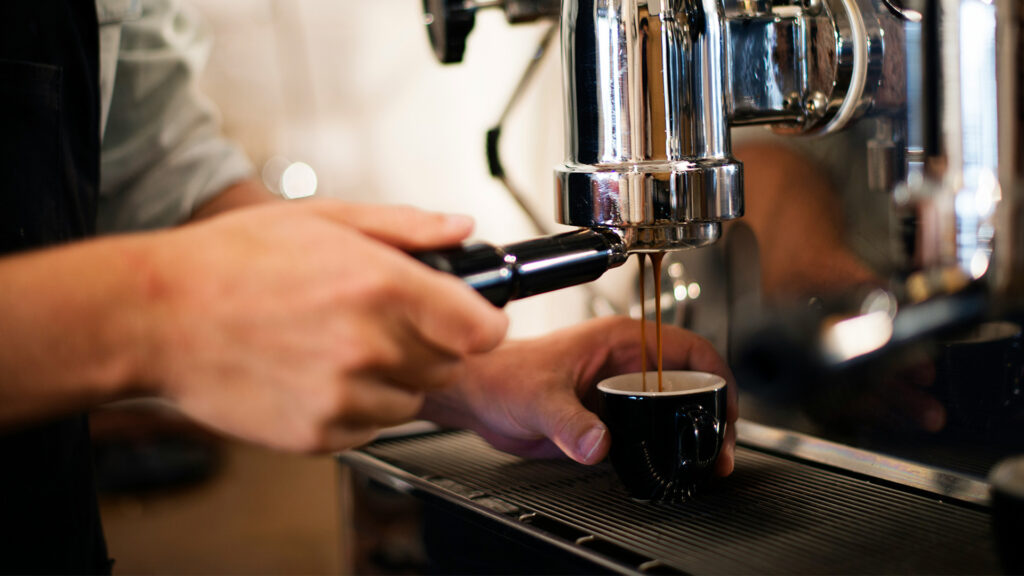
Over-extraction occurs when water runs through the ground coffee for too long during the brewing process. In the first few seconds, the desired sweet, malty, fruity, and chocolatey flavors are extracted. After that, the bitter compounds are extracted. If the water runs through for too long, these bitter compounds dominate, and the coffee tastes bitter.
The ideal brewing time depends on the appliance used to prepare the coffee beverage in question.
The Right Brewing Time for My Coffee or Espresso
| Method of Preparation | Brewing time |
|---|---|
| Portafilter machine | 22–25 seconds |
| Espresso maker | About one minute |
| Fully automatic machine | 27 seconds |
| Filter coffee | 3–4 minutes |
| French Press | 4 minutes |
| Cold Brew | 12 hours |
Bitter coffee due to the wrong water temperature
Just like the brewing time, the water temperature should also be adjusted to suit the way you prepare your coffee. If the water temperature is too high, it causes bitter compounds to be released, making the coffee taste bitter.
The Right Water Temperature for Your Coffee Drink
| Method of Preparation | Brewing temperature |
|---|---|
| Portafilter machine | 94°C |
| espresso pot | 99°C |
| Fully automatic machine | 88°C |
| Filter coffee | 95°C |
| French Press | 96°C |
| Cold Brew | Refrigerator temperature |
Bitter Coffee Due to the Wrong Grind Size
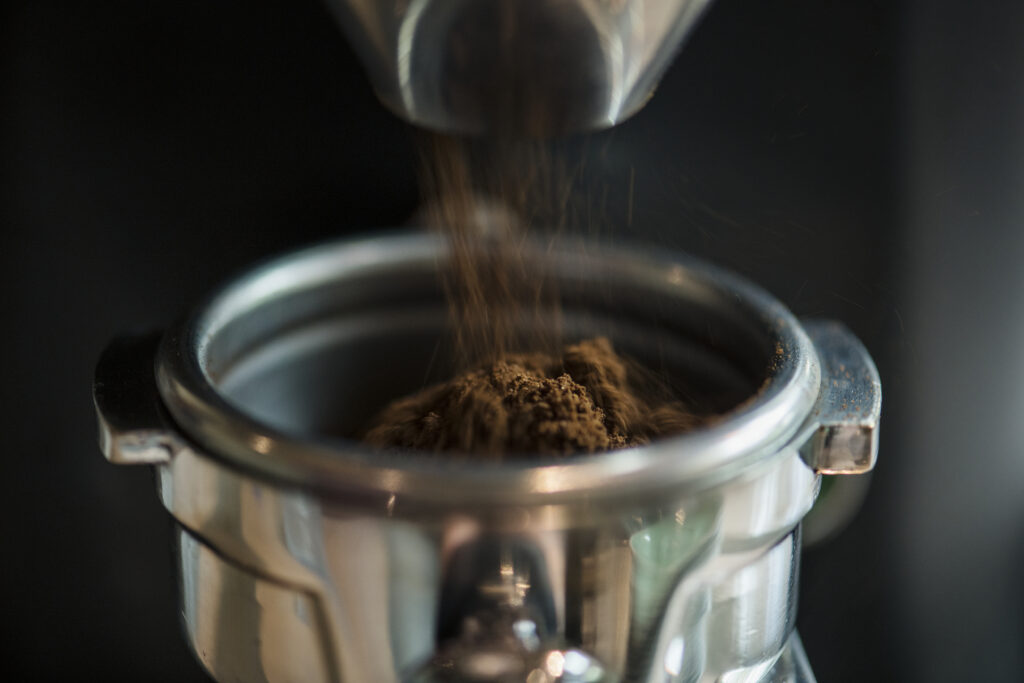
Bitter coffee can result from a grind that is too fine. If the grind is too fine, water flows more slowly through the ground coffee, which increases the extraction time and causes the coffee to become over-extracted.
The perfect grind size for Portafilter, fully automatic coffee makers, French presses, drip coffee, etc.
| Method of Preparation | Grind size |
|---|---|
| Portafilter machine | fine |
| espresso pot | fine |
| Fully automatic machine | medium to coarse |
| Filter coffee | medium to coarse |
| French Press | roughly |
| Cold Brew | roughly |
Bitter Taste—Are the Coffee Beans Spoiled?
That's right—a bitter taste in coffee can also be a sign of spoiled coffee beans. Improper storage of coffee beans causes the coffee to become undrinkable in a short amount of time.
The coffee bean itself acts as a natural protective shell for the coffee's aromas. Compared to pre-ground coffee, the aromas in properly stored whole coffee beans last longer.
Myth Alert: There’s a common claim that coffee should be stored in the refrigerator. However, in the refrigerator, coffee is exposed to cold temperatures, foreign flavors, and moisture.
The most common reason for bitter coffee
Over-extraction—that is, when the water runs through the coffee for too long—is the most common direct cause of bitter coffee. However, over-extraction is closely related to the grind size and water temperature.
If water comes into contact with the coffee grounds for too long or “too intensely,” this is called over-extraction. This happens, for example, if the coffee is ground too finely, the brewing time is too long, or the water temperature is too high.
How can I tell if there has been over-extraction?
You can tell when coffee has been over-extracted by its strong bitterness. Over-extracted coffee tastes like unsweetened black tea, while sweet, fruity, or chocolatey notes are completely lost.
If the water flows only slowly or not at all through the filter, and the coffee puck is wet and mushy after brewing, this may be a sign of over-extraction.
If the crema is patchy, almost white, or barely there—rather than having a nutty or caramel-like appearance—this is also a sign of an over-extracted espresso.